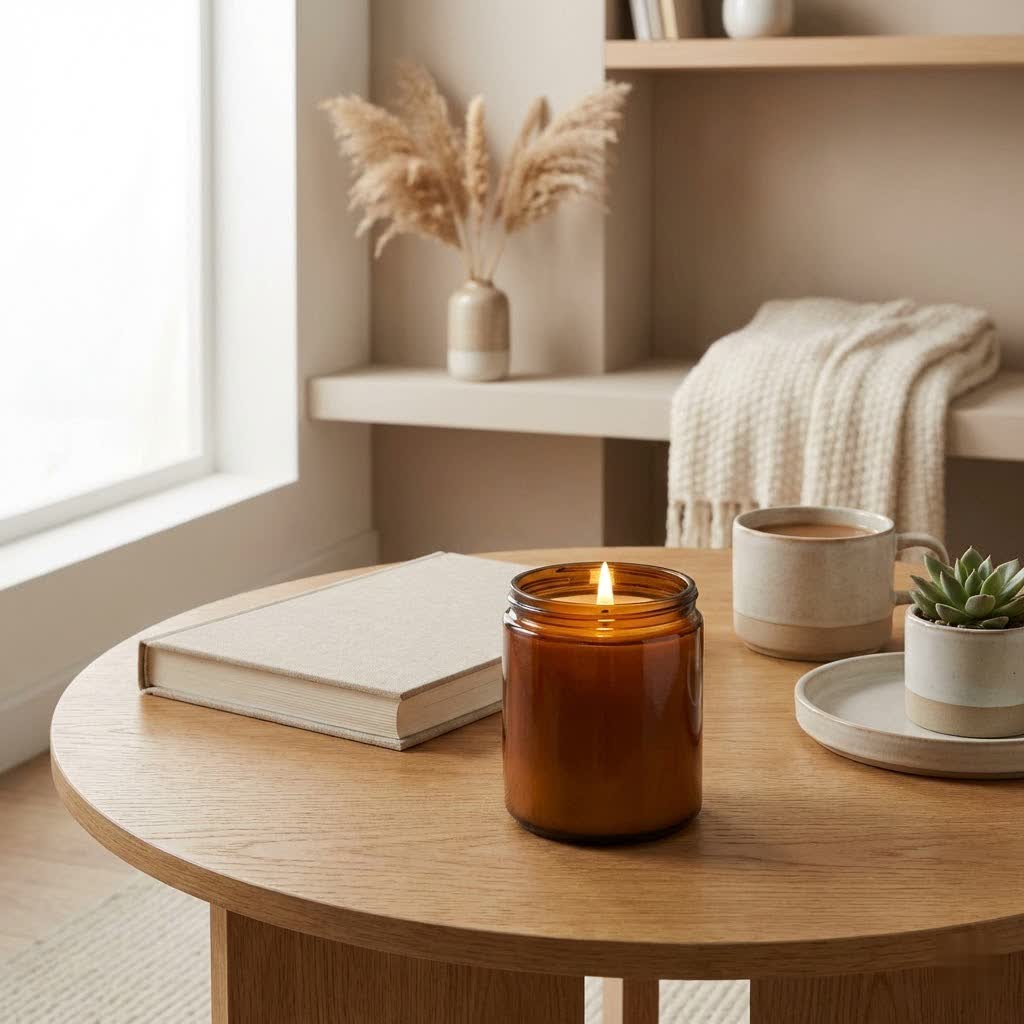
Scented candles offer far more than just a flickering flame; they are an invitation to transform your living space into a sanctuary of aroma and calm. With a simple light, these beautifully crafted items can shift your mood, enhance your decor, and fill your home with an inviting embrace. But with a vast array of options available, from diverse fragrances to different wax types, choosing the perfect scented candle can feel like an art in itself. This comprehensive guide will illuminate everything you need to know about scented candles, helping you select, use, and enjoy them to their fullest.
What Exactly is a Scented Candle?
At its core, a scented candle is a blend of wax, a wick, and fragrance, typically in a container, designed to release an aroma when burned. These delightful home accents have a rich history, evolving from basic light sources into sophisticated elements of home decor and personal well-being.
The main components of a scented candle are:
- Wax: The fuel of the candle, determining its burn time, clean burning properties, and how well it holds and disperses scent. Common types include soy, paraffin, beeswax, and coconut wax.
- Fragrance Oils: These are carefully blended aromatic compounds, often a mix of natural essential oils and synthetic fragrance molecules, that give the candle its unique scent profile.
- Wick: Usually made from cotton or wood, the wick draws the melted wax up to the flame, sustaining the burn. A well-chosen wick ensures an even burn and optimal scent throw.
Scented candles are categorized primarily by the type of wax used, each offering distinct characteristics.
The Wonderful Benefits of Scented Candles
Beyond their aesthetic appeal, scented candles provide a multitude of benefits for your body, mind, and mood, leveraging the power of aromatherapy to create a more pleasant and harmonious environment.
- Reducing Stress and Anxiety: Certain scents like lavender, chamomile, and bergamot are renowned for their calming properties. Lighting a scented candle with these aromas can help lower stress hormones and soothe your nervous system, offering a gentle escape from daily pressures.
- Improving Sleep Quality: Creating a relaxing bedtime ritual is key to a good night’s sleep. Soft, warm scents such as vanilla, sandalwood, or jasmine can signal to your brain that it’s time to unwind, preparing your body and mind for restorative rest.
- Creating a Relaxing and Cozy Ambiance: The soft, dancing glow of a candle flame combined with a pleasant fragrance instantly transforms any room. It fosters a warm, intimate atmosphere perfect for quiet evenings, romantic dinners, or simply unwinding after a long day.
- Boosting Focus and Creativity: While some scents calm, others can energize and sharpen the mind. Citrus scents like lemon and grapefruit, or herbaceous notes like peppermint and eucalyptus, are known to enhance concentration and stimulate creative thinking, making them ideal for work or study spaces.
- Neutralizing Odors and Purifying Air: Scented candles can effectively mask unwelcome household odors, leaving your home smelling fresh and inviting. Beeswax candles, in particular, are often praised for their ability to release negative ions, which are believed to help purify the air by attracting and neutralizing pollutants.
How to Choose the Perfect Scented Candle
Selecting a scented candle isn’t just about picking a pretty jar; it’s about finding one that resonates with your personal preferences and enhances your desired atmosphere. Several factors come into play when making the ideal choice.
Choosing by Scent Profile
|
Our Picks for the Best Scented Candle in 2026
As an Amazon Associate I earn from qualifying purchases.
|
||
| Num | Product | Action |
|---|---|---|
| 1 | Yankee Candle Cherries On Snow Scented, Classic 22oz Large Jar Single Wick Candle, Over 110 Hours of Burn Time |

|
| 2 | Smoke & Vanilla Candles, Smoke Vanilla Scented Candle, Natural Soy Candles for Home Scented, Long Lasting with 50 Hour Burn Time, Gifts for Men Women |
|
| 3 | Aronica High End Hostess Gifts for Woman, Bamboo Jasmine Candle, Soy Candles for Home Scented, Non Toxic New Home Candle, Natural Summer Candles |
|
| 4 | 14.5 oz Mulberry Candle with 3 Wick Glass Jar Mulberry Scented Votive Candles Essential Fragrance Oils Highly Fragranced, 90 Hour Burn Time, Clean Burning for Christmas Holiday Collection |
|
| 5 | WoodWick Lavender & Cedar Holiday Candle Gifts for Women and Men, 9.7 oz Medium Hourglass Candle with Crackling Wick |
|
| 6 | Glade 1-Wick Scented Candle Jar, Dewdrop Petals, Air Freshener Infused with Essential Oils, 4.08 Oz, 2 Count |
|
| 7 | White Barn-Bath & Body Works- Coffee and Whiskey Candle 3 Wick EDT 14.5 OZ Burns 25-45 Hours |
|
| 8 | Foton Pearled Candle 18 Oz - Misty Monte Sandalwood Jasmine Scented Non Toxic Luxury Long Lasting Powder Candles up to 120 Hours - Refillable Candle Sand with 30 Wicks for Candle Making |
|
| 9 | Coleman Pine Scent Citronella Candle with Wooden Crackle Wick - 6 oz |
|
| 10 | Sand + Fog Scented Candle - Vanilla Sandalwood-Additional Scents and Sizes–100% Cotton Lead-Free Wick - Luxury Air Freshening Jar Candles - Perfect Home Décor for Your Cocktail Table–34oz |
|
The world of candle fragrances is incredibly diverse, offering a scent for every mood and occasion. Understanding the main scent families can guide your selection:
- Floral: Notes of rose, jasmine, lily, gardenia. Soft, romantic, often calming.
- Fruity: Bright, invigorating scents like citrus (lemon, grapefruit), berry, apple, mango.
- Woody: Earthy, grounding aromas such as sandalwood, cedarwood, pine, vetiver. Often cozy and mysterious.
- Spicy: Warm and comforting, with notes of cinnamon, clove, ginger, nutmeg. Perfect for colder seasons.
- Fresh/Clean: Evokes freshly laundered linens, sea breeze, or crisp greens. Uplifting and airy.
- Gourmand: Sweet, edible notes like vanilla, caramel, coffee, chocolate. Indulgent and comforting.
- Oriental: Rich, exotic blends with musk, amber, frankincense. Luxurious and enveloping.
Consider the room’s purpose when choosing a scent. Fresh or citrus scents are great for kitchens to cut through food odors, while calming florals or warm woods are ideal for bedrooms and living rooms to promote relaxation. Seasonal scents also play a role; think warm spices for autumn and winter, and light florals or fruits for spring and summer.
Choosing by Wax Type
The type of wax used in a candle significantly impacts its burn quality, scent throw, and environmental footprint.
- Soy Wax: Derived from soybean oil, soy wax is a popular eco-friendly choice. It burns cleaner, produces less soot, and typically has a longer burn time than paraffin. Soy wax is renewable and biodegradable. It provides an excellent scent throw, especially for softer fragrances.
- Paraffin Wax: The most common and often least expensive wax. Paraffin offers a strong scent throw and can hold color well. However, it’s a petroleum byproduct, burns faster, and can produce more soot, potentially releasing harmful chemicals.
- Beeswax: A natural and renewable wax produced by bees. Beeswax candles burn very cleanly, with little to no soot, and have a naturally sweet, honey-like scent. They are known for their long burn times and air-purifying properties. However, their natural scent can sometimes overpower added fragrances, and they are generally more expensive.
- Coconut Wax: Often blended with soy, coconut wax is natural, burns cleanly and slowly, and offers an excellent scent throw. It’s a sustainable option that’s becoming increasingly popular.
- Palm Wax: Derived from palm oil, it can create unique crystalline patterns, making it good for decorative candles. Concerns exist regarding the sustainability of palm oil sourcing.
- Rapeseed Wax: A sustainable and eco-friendly European-sourced vegetable wax, known for good scent throw.
For those prioritizing environmental impact and health, natural waxes like soy, beeswax, or coconut are generally preferred for their cleaner burn and renewable nature.
Choosing by Size and Burn Time
Match the candle size to your room’s dimensions. A smaller candle might get lost in a large living room, while a robust, highly fragranced candle could be overwhelming in a small bathroom. Burn time varies significantly by wax type and candle size; larger candles with multiple wicks will naturally burn longer. Most quality candles offer estimated burn times on their packaging.
Considering Brand and Quality
A high-quality scented candle will provide a consistent fragrance experience, burn evenly, and be made from safe materials. Look for brands that are transparent about their ingredients (wax type, fragrance source), use natural wicks (cotton or wood), and have positive customer reviews regarding scent throw and burn performance.
Scented Candle Wax Types Compared
Understanding the differences between common wax types can help you make an informed decision for your home and health.
| Wax Type | Origin | Burn Time | Scent Throw | Cost | Eco-Friendliness | Soot Production | Notes |
|---|---|---|---|---|---|---|---|
| Soy | Vegetable | Long | Good | Mid-range | High | Low | Clean burn, renewable, often blended |
| Paraffin | Petroleum | Medium | Excellent | Low | Low | High | Strong scent, widely available, can be smoky |
| Beeswax | Animal (bees) | Very Long | Subtle | High | High | Very Low | Natural honey scent, air purifying, expensive |
| Coconut | Vegetable | Long | Excellent | Mid-to-High | High | Low | Clean, even burn, luxurious, often blended |
Choosing a natural wax type often means a cleaner burn and a more sustainable product, though paraffin can offer a potent fragrance at an accessible price point.
Essential Tips for Safe Scented Candle Use
While scented candles bring joy, safety should always be your top priority. Following these guidelines ensures a worry-free experience:
- Proper Placement: Always place your candle on a stable, heat-resistant surface, away from anything flammable like curtains, bedding, books, or decorations. Keep candles at least one foot apart if burning multiple. Avoid drafty areas, as drafts can cause uneven burning, excessive flickering, and increase the risk of fire.
- Trim the Wick: Before each burn, trim the wick to about ¼ inch (6mm). This prevents excessive soot, ensures a cleaner, more even burn, and reduces the chance of a large, unsafe flame.
- Burn Duration: Do not burn a scented candle for more than 3-4 hours at a time. This allows the wax pool to reach the edges of the container (preventing tunneling) but also prevents the container from overheating. Allow the candle to cool completely before relighting.
- Never Leave Unattended: This is the golden rule of candle safety. Always extinguish candles before leaving a room or going to sleep.
- Extinguishing Correctly: Use a candle snuffer to extinguish the flame. This prevents hot wax from splattering and minimizes smoke. Avoid blowing out candles, as it can cause wax to scatter and produce more smoke.
- When to Stop: Discontinue use when about ¼ inch (6mm) of wax remains at the bottom of the container. Burning past this point can cause the container to overheat and potentially crack or shatter.
- Keep Away from Children and Pets: Ensure candles are always out of reach of curious hands and paws to prevent accidental knock-overs or burns.
Where to Buy Your Scented Candles
Scented candles are widely available, from large retailers to small artisanal shops, both online and in physical stores.
When buying:
- Online: Offers a vast selection and often competitive pricing. Look for detailed product descriptions, including wax type, ingredients, and estimated burn time. Reading customer reviews is crucial for assessing scent throw and overall quality.
- Physical Stores: Allows you to experience the scent firsthand before purchasing. You can also inspect the candle for even wax distribution, wick quality, and container integrity.
Before buying, especially online, always check the brand’s reputation and transparency regarding ingredients. Prioritize brands that specify natural waxes and lead-free wicks for a healthier burning experience.
Your Ultimate Scented Candle Buying Guide
Embarking on the journey to find your perfect scented candle can be exciting. Here’s a quick guide to help you navigate your choices:
- Identify Your Needs and Preferences: What mood do you want to create? Which scents do you naturally gravitate towards? Consider the room where the candle will be used and the atmosphere you wish to evoke.
- Research Wax Types and Fragrances: Educate yourself on the pros and cons of different waxes and understand the basic scent families. This knowledge empowers you to choose candles that align with your values for health and environment, as well as your olfactory preferences.
- Read Reviews and Compare Products: Online reviews offer invaluable insights into a candle’s actual performance, including its scent throw and burn quality. Compare different brands and products to find the best fit for your budget and expectations.
- Prioritize Safety and Health: Always opt for candles made with high-quality, non-toxic ingredients and natural wicks. Adhere to all safety guidelines to ensure your home remains a safe haven.
Scented candles are more than just decorative items; they are powerful tools for enhancing your emotional well-being and transforming your living space.
Frequently Asked Questions
Are scented candles bad for you?
High-quality scented candles made with natural waxes (like soy or beeswax) and natural fragrance oils or essential oils are generally considered safe. Some cheaper candles, especially those made with paraffin wax and synthetic fragrances, may produce more soot and release volatile organic compounds, which could be irritating for sensitive individuals. Choosing reputable brands that are transparent about their ingredients is key.
How long should I burn a scented candle?
You should burn a scented candle for 1 to 4 hours at a time, allowing the entire top layer of wax to melt evenly to the edges of the container. This practice prevents “tunneling,” where only the center of the candle burns down, and ensures maximum scent dispersion. Always allow the candle to cool completely before relighting.
What’s the best wax for scented candles?
There isn’t a single “best” wax, as each has benefits. Soy wax and coconut wax are popular for their clean, long burn, and eco-friendliness, offering a good scent throw. Beeswax also burns very cleanly and purifies the air but has a subtle natural scent. Paraffin wax is known for a strong scent throw and affordability but is less eco-friendly and can produce more soot.
How do I get a strong scent from my candle?
The strength of a candle’s scent (its “scent throw”) depends on the quality of the fragrance oils, the type of wax, and the candle’s size relative to the room. To maximize scent throw, ensure you burn the candle long enough for the entire surface to melt, trim the wick before each use, and choose a candle appropriate for your room size.
Can I use scented candles around pets?
While many scented candles are safe for homes with pets, it’s crucial to exercise caution. Some essential oils can be toxic to animals if inhaled or ingested. Opt for natural wax candles with pet-friendly fragrances, ensure good ventilation, and always keep candles out of your pet’s reach. Consult your vet if you have concerns about specific scents.
Get our weekly buyer guide
Practical specs, not advice. Unsubscribe anytime.

I appreciate the breakdown of different wax types. I usually go for paraffin because it’s cheaper, but I decided to try a beeswax candle after reading about its benefits. While the scent throw is good, I found it burned down a bit faster than I expected for the price point. It’s a nice candle, but I might stick to my usual next time.
I loved the historical tidbit about candles evolving from basic light sources to sophisticated decor elements. It made me appreciate my collection even more! I’ve been looking for ways to make my living room more inviting, and a good quality scented candle really does the trick. I’m definitely going to pay more attention to the blend of wax and fragrance now.
This guide was super helpful for understanding how to choose the right fragrance for different moods. I’ve always just bought whatever smelled good in the store, but now I’m thinking more about how a citrus scent can energize my workspace. I’m excited to experiment with some new aromas to enhance my home decor.
I’ve been trying to make my apartment feel more cozy, and the guide’s tips on using candles to create a sanctuary really resonated with me. I picked up a soy wax candle with a lavender scent, and it’s made such a difference in my evening routine. The clean burn and subtle fragrance are exactly what I needed to unwind after a long day.