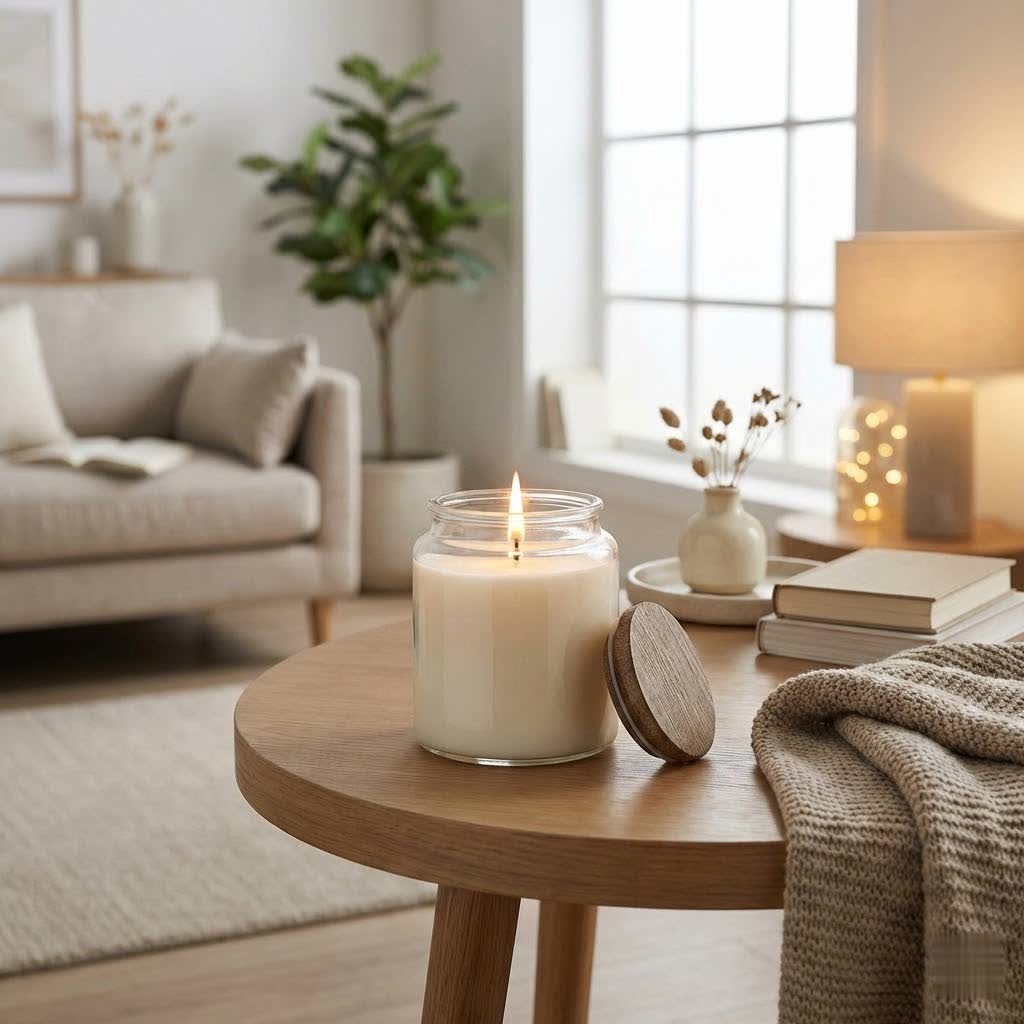
Have you ever yearned for the tranquility of a deep forest, even when surrounded by city walls? Forest scented candles offer a unique escape, transforming your living space into a serene woodland sanctuary. They bring the rejuvenating essence of nature indoors, promising more than just a pleasant aroma—they deliver a holistic experience of calm and connection. This comprehensive guide will navigate you through the world of forest scented candles, from understanding their components and myriad benefits to choosing the perfect one to infuse your home with earthy magic.
What is a Scented Candle?
A scented candle is a wax-based candle infused with aromatic oils, designed to release fragrance as it burns. While candles have been used for illumination for thousands of years, the addition of scent evolved to enhance ambiance, mask odors, and even promote well-being. At its core, every scented candle comprises three main elements: the wax, the fragrance oil, and the wick.
The wax forms the body of the candle and dictates many of its burning characteristics. Common types include:
- Soy Wax: Derived from soybeans, this natural, renewable resource burns cleaner and longer than paraffin, often with a good scent throw. It’s a popular choice for eco-conscious consumers.
- Coconut Wax: Another natural, sustainable option, coconut wax offers an excellent scent throw and a very clean, slow burn. It’s often blended with soy or other natural waxes.
- Beeswax: Produced by bees, beeswax is entirely natural and purifies the air by releasing negative ions. It has a naturally subtle honey scent, which can influence added fragrances, and offers a long burn time.
- Paraffin Wax: A petroleum byproduct, paraffin is widely used due to its affordability and ability to hold strong scents. However, it can produce more soot and is less eco-friendly than natural wax alternatives.
- Palm Wax: A natural, plant-based wax known for its ability to create crystalline or feathered patterns. Sourcing sustainably is crucial due to environmental concerns related to palm oil production.
Fragrance oils, whether essential oils extracted from plants or synthetic aroma compounds, are blended into the wax to create the candle’s signature scent. The wick, typically made of cotton or wood, draws the melted wax up to the flame, sustaining the burn.
The Wonderful Benefits of Forest Scented Candles
Beyond their captivating aromas, forest scented candles offer a wealth of therapeutic benefits, deeply rooted in our innate connection to nature. They tap into the ancient practice of “Shinrin-yoku,” or forest bathing, bringing its calming effects into your home.
- Reduce Stress and Anxiety: The woodsy notes of pine, fir, and cedar often found in forest scents mimic the natural compounds called phytoncides released by trees. Inhaling these compounds has been shown to lower cortisol levels, reduce blood pressure, and alleviate feelings of stress and anxiety, fostering a profound sense of calm.
- Improve Sleep Quality: Many forest scents, particularly those with notes of cedarwood and fir, possess natural sedative properties. Burning a forest scented candle before bedtime can help signal your body to unwind, preparing your mind and body for a more restful and restorative sleep.
- Create a Relaxing and Cozy Ambiance: The flickering glow and natural aroma of a forest candle instantly transform any room into a haven of warmth and comfort. Whether it’s the crisp scent of a winter forest or the damp, earthy aroma of a woodland after rain, these candles craft an inviting atmosphere perfect for unwinding.
- Enhance Focus and Creativity: Certain forest scents, like rosemary and cypress, are known for their ability to improve mental clarity and concentration. Lighting a forest candle during work or creative pursuits can help sharpen your focus and stimulate innovative thought, much like a refreshing walk in the woods.
- Boost Immune System Support: The phytoncides present in natural tree essences are not only stress-reducing but also have been linked to an increase in natural killer (NK) cell activity, which plays a vital role in immune function. While a candle can’t replace a walk in the forest, it can offer a subtle, beneficial boost to your indoor environment.
How to Choose the Right Forest Scented Candle
Selecting the perfect forest scented candle is a sensory journey that depends on your personal preferences, the desired mood, and even the season. Consider these factors to find your ideal match.
Choose by Scent Profile
|
Our Picks for the Best Scented Candle in 2026
As an Amazon Associate I earn from qualifying purchases.
|
||
| Num | Product | Action |
|---|---|---|
| 1 | Coleman Pine Scent Citronella Candle with Wooden Crackle Wick - 6 oz |

|
| 2 | WoodWick Lavender & Cedar Holiday Candle Gifts for Women and Men, 9.7 oz Medium Hourglass Candle with Crackling Wick |
|
| 3 | Smoke & Vanilla Candles, Smoke Vanilla Scented Candle, Natural Soy Candles for Home Scented, Long Lasting with 50 Hour Burn Time, Gifts for Men Women |
|
| 4 | 14.5 oz Mulberry Candle with 3 Wick Glass Jar Mulberry Scented Votive Candles Essential Fragrance Oils Highly Fragranced, 90 Hour Burn Time, Clean Burning for Christmas Holiday Collection |
|
| 5 | Aronica High End Hostess Gifts for Woman, Bamboo Jasmine Candle, Soy Candles for Home Scented, Non Toxic New Home Candle, Natural Summer Candles |
|
| 6 | White Barn-Bath & Body Works- Coffee and Whiskey Candle 3 Wick EDT 14.5 OZ Burns 25-45 Hours |
|
| 7 | Sand + Fog Scented Candle - Vanilla Sandalwood-Additional Scents and Sizes–100% Cotton Lead-Free Wick - Luxury Air Freshening Jar Candles - Perfect Home Décor for Your Cocktail Table–34oz |
|
| 8 | Glade 1-Wick Scented Candle Jar, Dewdrop Petals, Air Freshener Infused with Essential Oils, 4.08 Oz, 2 Count |
|
| 9 | Yankee Candle Cherries On Snow Scented, Classic 22oz Large Jar Single Wick Candle, Over 110 Hours of Burn Time |
|
| 10 | Foton Pearled Candle 18 Oz - Misty Monte Sandalwood Jasmine Scented Non Toxic Luxury Long Lasting Powder Candles up to 120 Hours - Refillable Candle Sand with 30 Wicks for Candle Making |
|
Forest scents are incredibly diverse, ranging from crisp and coniferous to warm and earthy. Understanding the popular scent notes can guide your choice.
- Popular Scent Notes:
- Pine & Fir: These notes evoke the classic Christmas tree scent, often described as fresh, crisp, and slightly resinous. They are uplifting and invigorating.
- Cedarwood: A deeper, warmer woodsy note, cedar offers a grounding and comforting aroma, often with a hint of smokiness.
- Sandalwood: Known for its creamy, rich, and exotic wood scent, sandalwood adds a touch of luxury and deep relaxation to forest blends.
- Oakmoss & Vetiver: These notes bring an earthy, damp, and green quality, reminiscent of the forest floor after rain, promoting a sense of grounding.
- Cypress & Spruce: Similar to pine and fir, but often with a slightly sweeter or more robust green aroma, contributing to a truly immersive forest experience.
- Eucalyptus & Rosemary: While not strictly “forest” in a deep wood sense, these herbaceous notes can add a refreshing, airy, and mentally clarifying layer to a woodland blend.
- Subtle Accents: Some forest candles might include unexpected notes like vanilla for warmth, bergamot for a citrus lift, or even a hint of smoky campfire to complete the outdoor illusion.
- Scents for Specific Spaces:
- Living Room: Opt for versatile and welcoming scents like pine and cedar blends, or a rich sandalwood and oakmoss for a cozy, sophisticated feel.
- Bedroom: Choose calming and sleep-inducing aromas such as gentle fir, cedar, or earthy moss notes to promote relaxation before rest.
- Bathroom: Refreshing notes like eucalyptus, pine, or crisp fir can create a clean, spa-like forest atmosphere.
- Office/Study: Scents with rosemary, cypress, or lighter pine can aid concentration and maintain mental clarity without being overwhelming.
- Outdoor Patios/Garden Rooms: Robust fir, pine, or smoky cedar can truly bring the outdoor ambiance to life, especially on cooler evenings.
- Scents for Seasons:
- Winter: Embrace the festive spirit with strong pine, fir, and balsam notes, perhaps with a touch of spice or smokiness.
- Autumn: Earthy notes of oakmoss, vetiver, and warmer cedar can capture the essence of falling leaves and crisp air.
- Spring/Summer: Lighter, airy forest blends with hints of cypress, fresh pine, or herbaceous accents can evoke new growth and vibrant greenery.
Choose by Wax Type
The type of wax significantly impacts a candle’s burn quality, scent throw, and environmental footprint.
- Soy Wax: Excellent for a clean, slow burn and good scent diffusion. It’s renewable and biodegradable, making it an eco-friendly choice. Look for 100% soy wax for the purest option.
- Coconut Wax: Offers a luxurious, clean burn and fantastic scent throw. It’s also sustainable and biodegradable, often blended with soy for optimal performance.
- Beeswax: The most natural option, beeswax burns very clean and purifies the air. Its natural honey scent might subtly influence the forest fragrance, making it ideal for those who prefer a purely natural product.
- Paraffin Wax: While often providing a strong scent throw, paraffin can produce more soot and is a petroleum byproduct. If choosing paraffin, ensure it’s high-quality food-grade paraffin for a cleaner experience, though natural alternatives are generally preferred.
- Blended Waxes: Many candles use blends (e.g., soy-coconut, soy-paraffin). Natural blends can combine the best qualities of different waxes, while soy-paraffin blends might offer a better scent throw than pure soy but are less natural.
Choose by Size and Burn Time
Consider the size of your room and how long you want the candle to last.
- Room Size: Larger rooms benefit from multi-wick candles or larger single-wick candles to ensure the scent adequately fills the space. Smaller rooms or offices might be better suited for smaller candles or single-wick options to prevent the scent from becoming overwhelming.
- Burn Time: A candle’s advertised burn time varies greatly with its size and wax type. Generally, larger candles burn longer. Most standard 8-10 oz candles offer around 40-60 hours of burn time, while larger candles can exceed 80 hours. Always check the product description.
Choose by Brand Reputation
While specific brand recommendations aren’t the focus, understanding what defines a reputable brand is key. Look for brands that prioritize:
- High-Quality Ingredients: Natural waxes (soy, coconut, beeswax), phthalate-free fragrance oils (which means free from a group of chemicals often used to make plastics more flexible and for fragrances to last longer), and lead-free wicks.
- Clean Burning: Candles that produce minimal soot and smoke.
- Transparency: Brands that openly disclose their ingredients and manufacturing processes.
- Positive Reviews: General consensus on scent accuracy, burn quality, and customer experience.
Comparing Forest Scented Candle Types
Forest scented candles, while sharing a common theme, offer a spectrum of experiences based on their primary scent profiles and wax compositions. Here’s a conceptual comparison of common types:
| Feature | Coniferous Forest (e.g., Pine, Fir) | Earthy Forest (e.g., Oakmoss, Vetiver) | Woody & Resinous (e.g., Cedar, Sandalwood) | Blended/Mystical Forest (Complex) |
|---|---|---|---|---|
| Primary Scent | Crisp, sharp, fresh, uplifting, often cool | Damp, rich, grounding, green, sometimes smoky | Warm, smooth, comforting, deep, slightly sweet | Multi-layered, evoking specific forest moods |
| Key Notes | Pine, Fir, Spruce, Balsam, Juniper | Oakmoss, Vetiver, Patchouli, Damp Earth, Mushroom | Cedarwood, Sandalwood, Redwood, Amber, Myrrh | Combines elements above, plus cypress, lavender, vanilla, slight floral/spice |
| Wax Type | Often Soy, Coconut, or Paraffin (for strong throw) | Primarily Soy, Coconut, Beeswax (for natural depth) | Soy, Coconut, sometimes Paraffin (for richness) | Varies widely; often premium Soy/Coconut blends |
| Burn Time | Standard to long, depending on wax and size | Standard to long | Standard to long | Standard to very long, often with higher quality wax |
| Price Range | Mid-range to high-end | Mid-range to high-end | Mid-range to high-end | High-end, premium |
| Ambiance | Invigorating, refreshing, festive | Grounding, meditative, tranquil | Cozy, luxurious, introspective | Adventurous, nostalgic, deeply immersive |
| Best For | Winter months, invigorating spaces, mental clarity | Relaxation, meditation, grounding, year-round | Bedrooms, living rooms, cozy evenings, sophisticated settings | Special occasions, gifting, creating unique atmospheres |
| Pros | Very authentic, widely available, uplifting | Deeply calming, unique, natural feel | Rich, long-lasting, universally appealing | Complex, sophisticated, truly immersive experiences |
| Cons | Can sometimes lean “cleaner” if artificial pine is used | Less “bright” or “fresh” for some preferences | Can be heavy if not balanced | Higher price point, scent can be subjective |
Guide to Safely Using Forest Scented Candles
To fully enjoy your forest scented candles and ensure safety, proper usage and care are essential.
How to Burn a Candle Correctly
- First Burn: On the first burn, allow the candle to burn until the entire surface of the wax has melted, creating a full “melt pool” from edge to edge. This usually takes 2-4 hours, depending on the candle size. This prevents “tunneling” and ensures a consistent burn throughout the candle’s life.
- Trim the Wick: Before each subsequent burn, trim the wick to about 1/4 inch (6mm). This promotes a clean burn, prevents excessive smoking, and extends the candle’s life. Wood wicks may require slightly different care; gently snap off the charred top.
- Burn Time: Do not burn candles for more than 4 hours at a time. Extended burning can cause the wick to mushroom, the vessel to overheat, and an uneven scent throw. Allow the candle to cool completely before re-lighting.
How to Store Candles
- Store candles in a cool, dry place away from direct sunlight and extreme temperatures. This prevents the wax from melting, discoloring, or developing “sweating” (where fragrance oils leach out).
- Keep candles covered when not in use to protect them from dust and debris, which can affect the burn quality and scent.
Important Safety Precautions
- Always Burn Within Sight: Never leave a burning candle unattended.
- Heat-Resistant Surface: Place candles on a stable, heat-resistant surface away from drafts, vents, or flammable items such as curtains, paper, or clothing.
- Keep Away from Children and Pets: Ensure candles are out of reach of curious hands and paws.
- Extinguish Properly: Use a snuffer to extinguish the flame gently, or replace the lid (if provided) to suffocate the flame. Avoid blowing out candles, as this can cause hot wax to splatter and produce excessive smoke.
- Stop When 1/2 Inch of Wax Remains: Discontinue use when only 1/2 inch (1.3 cm) of wax remains at the bottom of the container. Burning past this point can cause the glass to overheat and potentially crack or shatter.
Where to Buy Forest Scented Candles?
Finding the perfect forest scented candle involves knowing where to look for quality and variety.
- Specialty Candle Boutiques: Local boutiques often carry unique, artisan-crafted candles, allowing you to smell the scents in person and support small businesses.
- Department Stores: High-end department stores typically feature a selection of popular luxury candle brands with well-curated fragrance lines.
- Online Retailers: Websites dedicated to home fragrance or general e-commerce platforms offer the widest selection. Always check customer reviews and detailed product descriptions.
- Brand Websites: Purchasing directly from a candle brand’s website often provides access to exclusive collections, the latest releases, and detailed information about their ingredients and philosophy.
Before making a purchase, especially online, look for:
- Detailed Scent Descriptions: Descriptions that list top, middle, and base notes.
- Wax Type and Ingredients: Ensure the wax type aligns with your preferences (e.g., soy, coconut) and that fragrance oils are phthalate-free.
- Customer Reviews: Insights into scent strength, accuracy, and burn performance.
Buying Guide: Your Journey to the Perfect Forest Scent
Embarking on the quest for your ideal forest scented candle can be exciting. Follow these steps to ensure you make an informed choice that brings the magic of the woods into your home.
- Define Your Forest Vision: What kind of forest experience do you seek? A crisp, wintry pine forest? A damp, mossy woodland? A warm, ancient cedar grove? Visualize the feeling and the specific scent notes you associate with it.
- Understand Scent Families: Familiarize yourself with common forest scent components—pine, fir, cedar, sandalwood, oakmoss, eucalyptus, and more. This helps you narrow down options and identify what appeals most to your olfactory senses.
- Prioritize Wax Type and Ingredients: If a clean, eco-friendly burn is important, lean towards candles made with natural waxes like soy, coconut, or beeswax. Always look for phthalate-free fragrance oils and lead-free wicks for healthier indoor air quality.
- Consider Your Space: Match the candle’s size and potential scent throw to the room where it will be used. A small candle might be lost in a large living room, while a very potent candle could overwhelm a small bathroom.
- Read Reviews and Descriptions: Online, pore over detailed product descriptions and customer reviews. Pay attention to comments about scent accuracy, strength, and burn quality. For in-store purchases, always take a gentle sniff!
- Assess Value, Not Just Price: A more expensive candle with a longer, cleaner burn and superior scent can often offer better value in the long run than a cheaper one that burns quickly or poorly.
- Safety First: Always keep safety in mind. Choose candles from reputable brands that adhere to safety standards and follow all burning instructions.
Conclusion
Forest scented candles offer a truly unique and transformative experience, bringing the profound calm and invigorating energy of nature directly into your home. From the grounding aroma of cedar to the crisp embrace of pine, these candles do more than just smell good—they can reduce stress, improve sleep, and create an atmosphere of unparalleled serenity. By understanding the different scent profiles, wax types, and safe usage practices, you can confidently choose the perfect forest scented candle to craft your personal woodland sanctuary. So, light a wick, close your eyes, and let the essence of the forest envelop you. What magical forest escape will you create today?
Frequently Asked Questions
What makes forest scented candles so relaxing?
Forest scented candles are relaxing due to the presence of natural compounds called phytoncides, released by trees. These compounds, mimicked in candle fragrances like pine and cedar, have been scientifically linked to reduced stress hormones, lower blood pressure, and a heightened sense of calm, effectively bringing the benefits of “forest bathing” indoors.
Are natural wax forest candles better than paraffin ones?
Generally, natural wax forest candles (soy, coconut, beeswax) are considered better as they offer a cleaner, slower burn, produce less soot, and are made from renewable resources. Paraffin wax, a petroleum byproduct, can release more soot and is less eco-friendly, though high-quality paraffin can still provide a strong scent throw.
How can I make my forest scented candle last longer?
To extend your candle’s life, always trim the wick to 1/4 inch before each burn and allow the candle to form a full melt pool on its first burn. Avoid burning for more than four hours at a time, and store it in a cool, dry place away from direct sunlight.
What are common scent notes in a “forest” candle?
Common scent notes in a forest candle typically include pine, fir (such as Balsam Fir or Frasier Fir), cedarwood, sandalwood, oakmoss, vetiver, and cypress. Some blends might also incorporate eucalyptus, rosemary, or even subtle hints of amber or vanilla for added depth and warmth.
Can forest scented candles help with sleep?
Yes, certain forest scented candles, particularly those featuring notes like cedarwood, fir, or a blend of earthy moss, can promote better sleep. Their calming and grounding properties help to relax the mind and body, making it easier to unwind and transition into a restful state before bedtime.
Get our weekly buyer guide
Practical specs, not advice. Unsubscribe anytime.
