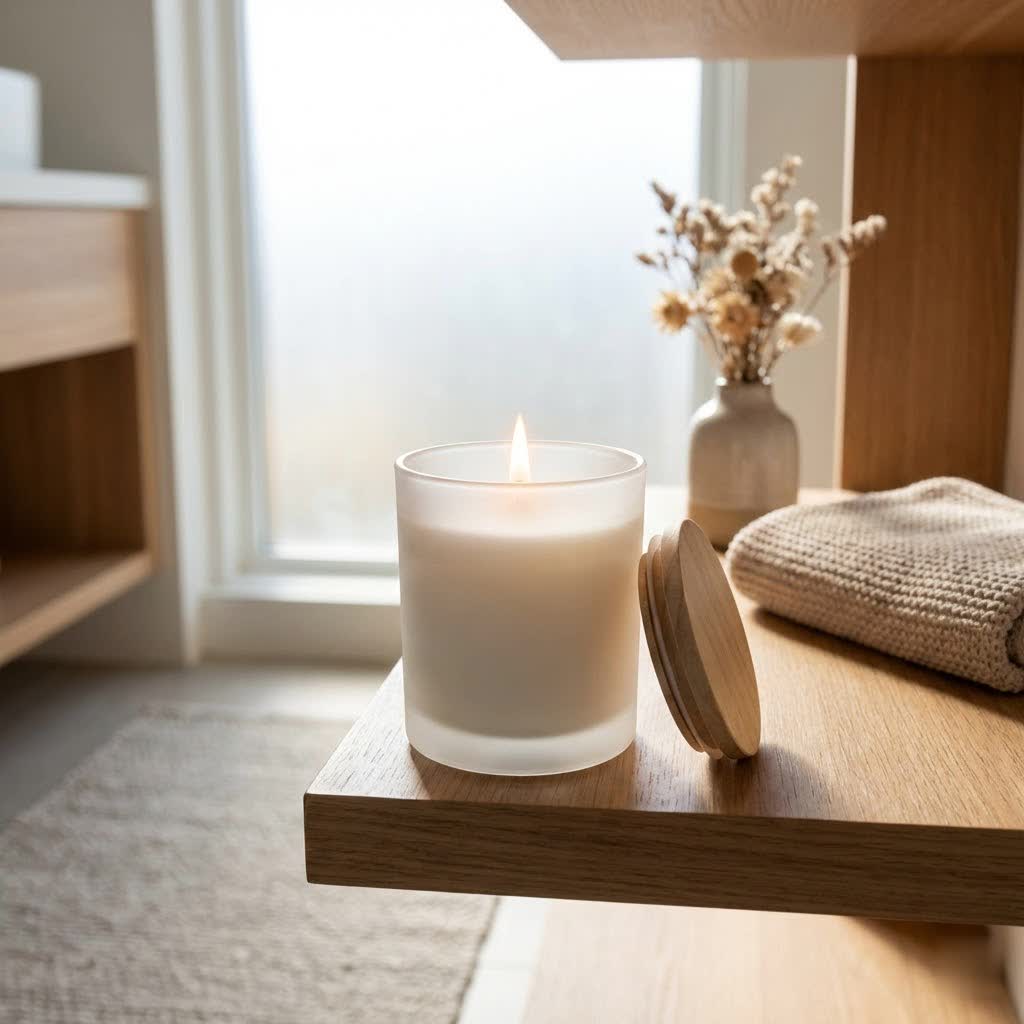
There’s an undeniable magic in the flicker of a candle flame and the subtle release of a carefully crafted aroma, transforming any space into a sanctuary. More than just decorative accents, scented candles offer a unique sensory experience, capable of evoking memories, enhancing moods, and providing a moment of calm in our busy lives. With countless brands vying for attention, choosing the perfect scented candle can feel overwhelming. This comprehensive guide will illuminate the world of scented candle brands, helping you navigate ingredients, fragrances, and quality to find your ideal match.
What is a Scented Candle?
A scented candle is a wax-based product infused with fragrance oils, designed to release aroma and provide soft illumination when burned. While candles have a history stretching back thousands of years, primarily for light, scented candles evolved to embrace aromatherapy and ambiance, becoming a staple in modern homes. For scented candles buying guides on this site.
The core components of a scented candle are simple yet crucial:
- Wax: The fuel source that holds the fragrance. Common types include paraffin, soy, coconut, and beeswax.
- Fragrance Oils: These are what give the candle its scent. They can be synthetic or derived from natural essential oils.
- Wick: A cord, typically made of cotton or wood, that draws melted wax up to the flame.
Understanding Wax Types
The type of wax used significantly impacts a candle’s performance, burn time, and environmental footprint.
- Paraffin Wax: This is the most traditional and widely used candle wax, a byproduct of petroleum refining.
- Pros: Known for excellent scent throw (how well the fragrance disperses), affordability, and ability to hold vibrant colors [cite: 2, “forbes.com”],.
- Cons: Non-renewable resource; some consumers have concerns about potential indoor air quality, though scientific studies indicate high-quality paraffin candles burn cleanly and safely [cite: 2, “forbes.com”].
- Soy Wax: Derived from soybean oil, soy wax is a popular natural alternative.
- Pros: Burns 30-50% longer than paraffin, offers a cleaner burn with less soot, is renewable, biodegradable, and often preferred by those with sensitivities. It’s also easier to clean if spilled.
- Cons: May have a more subtle scent throw compared to paraffin [cite: 2, “forbes.com”].
- Coconut Wax: Made from hydrogenated coconut oil, it’s gaining popularity for its clean burn.
- Pros: Known for a very clean, slow, and even burn, often free from phthalates [cite: 2, “forbes.com”]. It’s a sustainable and natural option.
- Cons: Can be more expensive and might have a lighter scent throw on its own. Often blended with other waxes.
- Beeswax: A natural wax produced by honey bees.
- Pros: Known for its exceptionally clean burn, producing negative ions that can purify the air. It’s a renewable resource and has a natural, subtle honey-like scent [cite: 2, “forbes.com”].
- Cons: Typically the most expensive wax, and its natural aroma can sometimes compete with added fragrances.
- Wax Blends: Many premium brands utilize blends (e.g., soy-paraffin or coconut-soy) to combine the best attributes of different waxes, like the clean burn of soy with the strong scent throw of paraffin.
The Wonderful Benefits of Scented Candles
Scented candles offer far more than just a pleasant smell; they are powerful tools for enhancing well-being and transforming your living environment. The global candle market is booming, with consumers increasingly seeking scents that provide emotional comfort and therapeutic value.
- Stress Reduction and Relaxation: Certain aromas, like lavender and vanilla, are scientifically proven to reduce anxiety and increase endorphin levels, promoting a sense of calm and peace.
- Improved Sleep: Lighting a lavender candle 1-2 hours before bedtime can create a soothing ritual, aiding in deeper, more restful sleep.
- Ambiance and Coziness: Candles instantly create a warm, inviting atmosphere, making a room feel “comfortable or cozy” [cite: 4, “Scented Candles Market Size, Share | Growth Report – Fortune Business Insights”].
- Enhanced Focus and Creativity: Scents such as peppermint, rosemary, lemon, or eucalyptus can improve cognitive performance and alertness, making them ideal for home offices.
- Odor Neutralization and Air Freshness: Fresh scents like citrus or clean linen can effectively eliminate unwanted odors and refresh a space.
The science behind these benefits lies in aromachology. When you inhale fragrance molecules, they travel directly to the limbic system—the brain’s emotional control center—triggering specific emotional and physiological responses, and even vivid memory recall.
How to Choose the Right Scented Candle Brand
Selecting a scented candle brand goes beyond just finding a scent you like; it involves considering various factors to ensure quality, safety, and a truly enjoyable experience.
Choosing by Scent Profile
|
Our Picks for the Best Scented Candle in 2026
As an Amazon Associate I earn from qualifying purchases.
|
||
| Num | Product | Action |
|---|---|---|
| 1 | Yankee Candle Cherries On Snow Scented, Classic 22oz Large Jar Single Wick Candle, Over 110 Hours of Burn Time |

|
| 2 | White Barn-Bath & Body Works- Coffee and Whiskey Candle 3 Wick EDT 14.5 OZ Burns 25-45 Hours |
|
| 3 | WoodWick Lavender & Cedar Holiday Candle Gifts for Women and Men, 9.7 oz Medium Hourglass Candle with Crackling Wick |
|
| 4 | Smoke & Vanilla Candles, Smoke Vanilla Scented Candle, Natural Soy Candles for Home Scented, Long Lasting with 50 Hour Burn Time, Gifts for Men Women |
|
| 5 | Aronica High End Hostess Gifts for Woman, Bamboo Jasmine Candle, Soy Candles for Home Scented, Non Toxic New Home Candle, Natural Summer Candles |
|
| 6 | 14.5 oz Mulberry Candle with 3 Wick Glass Jar Mulberry Scented Votive Candles Essential Fragrance Oils Highly Fragranced, 90 Hour Burn Time, Clean Burning for Christmas Holiday Collection |
|
| 7 | Foton Pearled Candle 18 Oz - Misty Monte Sandalwood Jasmine Scented Non Toxic Luxury Long Lasting Powder Candles up to 120 Hours - Refillable Candle Sand with 30 Wicks for Candle Making |
|
| 8 | Coleman Pine Scent Citronella Candle with Wooden Crackle Wick - 6 oz |
|
| 9 | Sand + Fog Scented Candle - Vanilla Sandalwood-Additional Scents and Sizes–100% Cotton Lead-Free Wick - Luxury Air Freshening Jar Candles - Perfect Home Décor for Your Cocktail Table–34oz |
|
| 10 | Glade 1-Wick Scented Candle Jar, Dewdrop Petals, Air Freshener Infused with Essential Oils, 4.08 Oz, 2 Count |
|
The right scent can completely change the mood of a room. Consider scent families and how they complement different spaces and seasons.
-
Scent Families:
- Floral: Lavender, rose, jasmine, gardenia create romantic, uplifting, and pampering atmospheres, often triggering happiness.
- Fruity: Notes like citrus, mango, or berries are energizing, mood-boosting, and fresh.
- Woody/Earthy: Sandalwood, cedar, pine, patchouli provide grounding, stabilizing energy, and enhance focus.
- Spicy: Cinnamon, clove, ginger add warmth and coziness, often associated with holidays.
- Gourmand: Vanilla, sugar cookie, coffee evoke comfort, nostalgia, and a welcoming feel.
- Fresh/Clean: Linen, ocean breeze, or mint create refreshing, crisp atmospheres.
-
Matching Scents to Spaces:
- Living Rooms & Common Areas: Opt for universally appealing scents like vanilla, fresh linen, or subtle citrus that won’t overwhelm guests.
- Bedrooms: Prioritize relaxing scents such as lavender, chamomile, or sandalwood to promote sleep. Avoid energizing or spicy notes.
- Bathrooms: Spa-like scents like eucalyptus mint, ocean breeze, or clean florals are perfect for a refreshing feel. Smaller candles work best here.
- Home Offices: Choose scents that enhance focus and productivity, such as peppermint, rosemary, or lemon.
- Kitchens: Light, fresh scents like citrus or herbal blends are ideal, as they won’t compete with cooking aromas. Consider odor-eliminating options.
-
Seasonal Scents: Embrace the changing seasons with complementary fragrances.
- Spring: Fresh florals, citrus, and green scents (lilac, lemon verbena).
- Summer: Tropical fruits, ocean breeze, coconut, and light florals.
- Fall: Pumpkin spice, apple cider, cinnamon, and woodsy notes for coziness.
- Winter: Pine, fir, peppermint, and vanilla-spice combinations create festive warmth.
Choosing by Wax Type
Beyond scent, consider the wax type for performance and ethical considerations. Natural waxes like soy and coconut offer a cleaner burn and are renewable resources, appealing to environmentally conscious consumers [cite: 2, “forbes.com”],. If a strong scent throw is paramount, paraffin or hybrid blends might be preferred [cite: 2, “forbes.com”],.
Choosing by Size and Burn Time
The size of your candle should correspond to the room’s dimensions. Larger rooms benefit from bigger candles or those with multiple wicks for better scent dispersion. Burn time varies significantly by size and wax type; a 7.2 oz soy candle might burn for 35 hours, while a 22 oz Yankee Candle can last 110-150 hours. Reputable brands provide realistic burn time estimates, indicating proper testing and value [cite: 3, “Finding the Best Scented Candles Brands A Complete Guide”].
Choosing by Brand Reputation and Transparency
A key indicator of a quality scented candle brand is transparency. Look for brands that clearly disclose information on their wax type, wick material, and fragrance oils (e.g., “phthalate-free,” “essential oils”) [cite: 2, “forbes.com”], [cite: 3, “Finding the Best Scented Candles Brands A Complete Guide”]. Candlemaker Jo-Ann Nitzsche recommends checking for clear ingredient lists and consistent positive reviews about strong, clean burning, even melt pools, and good longevity [cite: 2, “forbes.com”]. Ethical practices like sustainable sourcing and cruelty-free testing also reflect a brand’s commitment to quality and values [cite: 3, “Finding the Best Scented Candles Brands A Complete Guide”].
Comparing Popular Scented Candle Brands
The market offers a diverse range of scented candle brands, from luxurious high-end options to accessible everyday favorites. Here’s a comparison of some notable brands to help you identify what aligns with your preferences:
| Brand | Wax Type | Key Scent Profiles | Burn Time (Avg.) | Price Point | Unique Selling Points |
|---|---|---|---|---|---|
| Diptyque | Mineral Wax Blend | Iconic, complex (Baies, Feu de Bois) | 60 hours | Luxury | Strong scent throw, elegant reusable jars, French craftsmanship [cite: 2, “forbes.com”], [cite: 3, “Top 10 Scented Candles 2026 – Test & Comparison- Lumond”] |
| NEST New York | Proprietary Blends | Sophisticated, wide range (Grapefruit, Moroccan Amber) | 50-60 hours | Mid-Luxury | Beautifully designed vessels, sophisticated scent profiles [cite: 2, “Best Candle Brands Selling Online in the USA (2026) – Lume & Wick”] |
| Voluspa | Coconut Blend | Clean, even burn (Baltic Amber) | 100 hours | Mid-Tier | Reasonably great value for luxury feel, stunning vessels, handmade in California [cite: 2, “forbes.com”] |
| Public Goods | Natural Soy Wax | Mild, everyday scents (Black Currant) | 60 hours | Value | Affordable, vegan-friendly, phthalate-free, reusable jars [cite: 2, “forbes.com”] |
| Yankee Candle | Paraffin or Plant Wax Blend | Classic, strong throw (Lavender Vanilla, French Vanilla) | 110-150 hours | Accessible | Long burn times, wide variety, consistent quality |
| Mrs. Meyer’s | Soy and Vegetable Wax | Eco-friendly, essential oil-based (Lavender) | 35 hours | Value | Affordable, natural ingredients, recyclable jars, masks pet odors |
| Cire Trudon | Vegetable Wax Blend | Rich, complex (Gabriel, Dada) | 55 hours | High Luxury | Oldest candle maker in the world, handcrafted, long-lasting scents [cite: 4, “I’ve Tried Almost Every Candle Out There—These 8 Have the Strongest Throws”] |
Insights from Experts:
“Makers who disclose clear information on wax, wick, fragrance and burn guidance is usually a good sign. Look for repeated comments about strong but not overpowering scent, clean burning, even melt pools and good longevity. Consistent praise across different fragrances often reflects dependable craftsmanship.” – Jo-Ann Nitzsche, Candlemaker and Business Owner [cite: 2, “forbes.com”]
Safe and Effective Scented Candle Usage
To maximize your scented candle experience and ensure safety, follow these essential guidelines:
- First Burn is Key: The first time you light a candle, allow the wax to melt evenly across the entire surface of the container, usually one hour per inch of the candle’s diameter. This prevents “tunneling,” where the wick burns down the middle, wasting wax [cite: 2, “forbes.com”],.
- Trim the Wick: Before each use, trim the wick to about 1/4 inch. This promotes a cleaner, brighter flame, prevents excessive soot, and extends the candle’s life.
- Avoid Drafts: Place candles on stable, heat-resistant surfaces away from air vents, open windows, or fans, as drafts can cause uneven burning and weak scent throw.
- Use a Snuffer: To extinguish the flame, use a candle snuffer instead of blowing on it. This prevents wax splatter and eliminates the unpleasant burnt smell that can linger.
- Safety First: Never leave a burning candle unattended. Keep them out of reach of children, pets, and flammable materials. Discontinue use when about 1/2 inch of wax remains to prevent the container from overheating.
Where to Buy Scented Candles?
Scented candles are widely available, from specialty boutiques to large online retailers.
- Online Retailers: Platforms like Amazon, Nordstrom, Sephora, and directly from brand websites (e.g., Diptyque.com, Voluspa.com) offer vast selections and convenience [cite: 3, “Top 10 Scented Candles 2026 – Test & Comparison- Lumond”],. Online shopping allows easy comparison of prices, reviews, and ingredient lists.
- Physical Stores: Department stores, home goods stores, and dedicated candle shops allow you to smell scents in person before purchasing, which can be invaluable.
- Evaluating Quality Before Purchase: Whether online or in-store, look for securely packed candles in high-quality packaging [cite: 3, “Finding the Best Scented Candles Brands A Complete Guide”]. Check for clear warning labels and instructions, which indicate a responsible brand [cite: 3, “Finding the Best Scented Candles Brands A Complete Guide”].
Scented Candle Buying Guide: A Checklist
Navigating the extensive world of scented candles can be simplified with a clear checklist to ensure you make an informed decision:
- Define Your Needs and Preferences: What mood do you want to create? What scent families do you enjoy (floral, woody, fresh, gourmand)?
- Research Wax and Ingredients: Do you prefer natural waxes like soy or coconut for a cleaner burn, or are you looking for the powerful scent throw of paraffin? Check for phthalate-free fragrance oils and lead-free wicks.
- Consider Scent Throw and Room Size: Will the candle’s scent adequately fill your desired space? A smaller room might need a milder scent, while a large living area can handle a stronger fragrance.
- Check Brand Reputation and Reviews: Look for brands with transparent ingredient lists, ethical sourcing practices, and consistent positive feedback on scent, burn quality, and longevity.
- Prioritize Safety and Ethical Sourcing: Ensure the brand provides clear safety instructions. Consider brands committed to sustainable practices and cruelty-free testing.
Conclusion
Scented candle brands offer a diverse universe of aromas and experiences, from high-end luxury to everyday comfort. By understanding the components, benefits, and how to critically evaluate quality, you can confidently choose a scented candle that not only delights your senses but also aligns with your lifestyle and values. Whether you seek relaxation, invigoration, or simply a touch of elegance, the perfect scented candle is waiting to transform your home.
What scent will you choose to illuminate your world next?
Frequently Asked Questions
What Candle Gives Off The Most Scent?
Candles made with high-quality fragrance oils and natural waxes, such as soy or coconut, typically offer a strong scent throw. Many luxury brands also utilize paraffin wax blends known for their potent fragrance dispersion. Look for terms like “highly fragranced” or “triple-scented” for maximum aroma, and consider candles with larger or multiple wicks for better scent diffusion.
What Are The Healthiest Scented Candles To Burn?
While scientific studies haven’t conclusively proven certain candle types are “healthier,” many consumers opt for candles made from natural, sustainable materials like soy, coconut, or beeswax, often paired with essential oils and organic hemp or cotton wicks [cite: 2, “forbes.com”],. These are generally free from synthetic fragrances, phthalates, parabens, and sulfates.
Are Expensive Candles Worth The Price?
Often, yes. Expensive candles typically justify their price through superior ingredient quality (like complex fragrance blends and premium waxes), longer burn times, and exquisite vessel design. Brands like Diptyque offer luxurious, long-lasting scents with powerful throws that can transform a room, making them a worthwhile investment for special occasions or signature home fragrances [cite: 2, “forbes.com”],.
What Candle Scent Is Best For Anxiety?
Lavender is widely recognized and scientifically supported for its anxiety-reducing properties, helping to lower cortisol levels and promote relaxation. Chamomile and sandalwood are also excellent choices for creating a calming atmosphere, while vanilla adds a soothing, cozy element perfect for unwinding.
How Long Do Most Popular Candle Scents Last?
The longevity of a candle’s scent and its overall burn time depend on its size, wax type, and wick quality. Smaller soy candles might last around 35 hours, while larger paraffin or plant-wax blend candles can burn for 110-150 hours. Proper wick trimming and burning techniques can extend a candle’s life by up to 25%.
Get our weekly buyer guide
Practical specs, not advice. Unsubscribe anytime.
