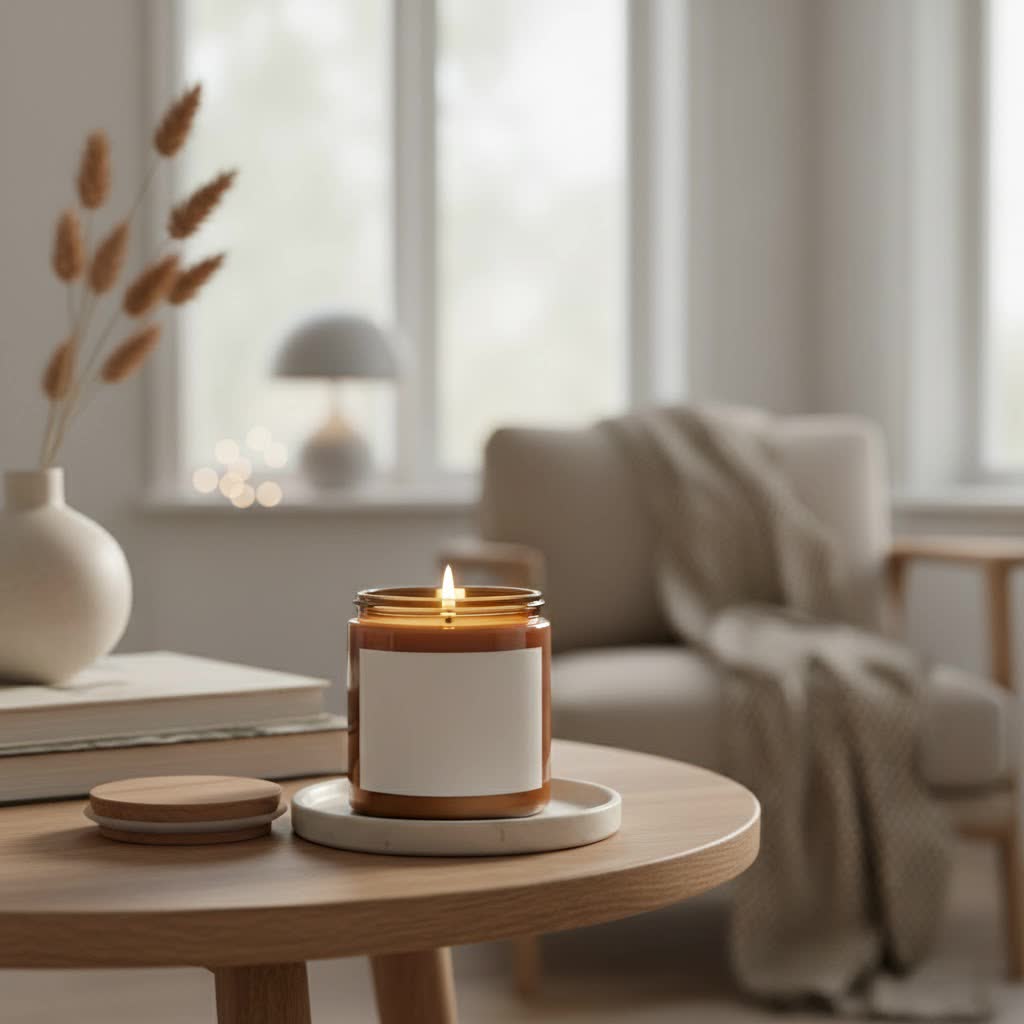
Entering a room filled with the inviting aroma of a scented candle is an experience many cherish. The subtle flicker, the gentle glow, and the enveloping fragrance combine to create an atmosphere of comfort and tranquility. But have you ever considered what truly makes a scented candle exceptional? Beyond the captivating essential oils and elegant jars, the very foundation of its performance lies in the type of wax used. Choosing the right scented candle wax is paramount, influencing everything from how long your candle burns to how effectively it disperses its cherished fragrance throughout your space, and even its impact on your health and the environment. This comprehensive guide will illuminate the diverse world of candle waxes, helping you understand their unique characteristics so you can make informed choices and truly elevate your candle experience.
What is Scented Candle Wax?
Scented candle wax forms the core of any fragrant candle, serving as the medium that holds and releases the chosen aromas. Historically, candles were made primarily from tallow or beeswax, evolving over centuries with advancements in material science. Today, waxes are sophisticated formulations designed to optimize scent delivery, burn quality, and longevity. The primary components of candle wax are typically the base wax itself, fragrance oils (or essential oils), and sometimes dyes or other additives to enhance performance or appearance. These elements are carefully balanced to create a stable, appealing, and functional candle.
Types of Scented Candle Wax
The world of scented candle wax offers a fascinating array of options, each with distinct properties that influence a candle’s overall performance. Understanding these types is key to selecting the perfect candle.
Soy Wax
Soy wax is a natural, renewable wax derived from soybean oil. It has surged in popularity due to its eco-friendly credentials. Soy wax is known for its clean burn, producing significantly less soot than traditional paraffin, and its biodegradable nature makes it a sustainable choice. While it generally offers a good scent throw, its lower melting point often translates to a longer, slower burn time, making your candles last longer. However, soy wax can sometimes have a softer texture and may require specific wicking to achieve optimal performance.
Paraffin Wax
Paraffin wax is a petroleum byproduct and has historically been the most widely used candle wax in commercial production due to its affordability and versatility. It boasts an excellent hot scent throw, meaning it can release strong fragrances quickly and effectively. Paraffin wax is available in various melting points, allowing for diverse candle forms from pillars to container candles. Despite its superior fragrance diffusion, it often produces more soot when burned and is a non-renewable resource, leading to environmental and health concerns for some consumers.
Coconut Wax
|
Our Picks for the Best Scented Candle in 2026
As an Amazon Associate I earn from qualifying purchases.
|
||
| Num | Product | Action |
|---|---|---|
| 1 | Yankee Candle Cherries On Snow Scented, Classic 22oz Large Jar Single Wick Candle, Over 110 Hours of Burn Time |

|
| 2 | Sand + Fog Scented Candle - Vanilla Sandalwood-Additional Scents and Sizes–100% Cotton Lead-Free Wick - Luxury Air Freshening Jar Candles - Perfect Home Décor for Your Cocktail Table–34oz |
|
| 3 | Aronica High End Hostess Gifts for Woman, Bamboo Jasmine Candle, Soy Candles for Home Scented, Non Toxic New Home Candle, Natural Summer Candles |
|
| 4 | 14.5 oz Mulberry Candle with 3 Wick Glass Jar Mulberry Scented Votive Candles Essential Fragrance Oils Highly Fragranced, 90 Hour Burn Time, Clean Burning for Christmas Holiday Collection |
|
| 5 | Coleman Pine Scent Citronella Candle with Wooden Crackle Wick - 6 oz |
|
| 6 | Smoke & Vanilla Candles, Smoke Vanilla Scented Candle, Natural Soy Candles for Home Scented, Long Lasting with 50 Hour Burn Time, Gifts for Men Women |
|
| 7 | Glade 1-Wick Scented Candle Jar, Dewdrop Petals, Air Freshener Infused with Essential Oils, 4.08 Oz, 2 Count |
|
| 8 | WoodWick Lavender & Cedar Holiday Candle Gifts for Women and Men, 9.7 oz Medium Hourglass Candle with Crackling Wick |
|
| 9 | White Barn-Bath & Body Works- Coffee and Whiskey Candle 3 Wick EDT 14.5 OZ Burns 25-45 Hours |
|
| 10 | Foton Pearled Candle 18 Oz - Misty Monte Sandalwood Jasmine Scented Non Toxic Luxury Long Lasting Powder Candles up to 120 Hours - Refillable Candle Sand with 30 Wicks for Candle Making |
|
Coconut wax is a natural, sustainable wax derived from coconut oil. It is highly prized for its exceptionally clean burn and luxurious, creamy texture. Often blended with other waxes like soy or apricot wax, coconut wax offers an outstanding scent throw and a long, slow burn time. It has a relatively low melting point, contributing to an even melt pool and efficient fragrance diffusion. Its natural origins make it another excellent choice for environmentally conscious users seeking a premium candle experience.
Beeswax
Beeswax is a natural wax produced by honeybees, making it one of the oldest candle waxes known to humankind. It is celebrated for its natural, subtle honey scent and its incredibly clean burn, releasing virtually no soot or toxins. Beeswax candles are known for their very long burn times and their ability to purify the air by releasing negative ions. While it offers a mild natural aroma, beeswax can sometimes be more challenging to scent with added fragrances and has a higher melting point, making it a harder wax to work with for some candle makers.
Palm Wax
Palm wax is another natural, plant-based wax derived from palm oil. It is known for its ability to create unique crystalline or feathered patterns, offering a distinctive aesthetic. Palm wax has a hard texture and a good scent throw. However, its environmental impact is a significant concern due to the deforestation associated with palm oil production, leading many consumers to avoid it. When choosing palm wax, verifying its sustainable sourcing (e.g., RSPO certified) is crucial.
Blended Waxes
Many manufacturers and crafters utilize wax blends to combine the best characteristics of different wax types. Common blends include soy-coconut, soy-paraffin, or coconut-apricot waxes. These blends can offer improved scent throw, longer burn times, better appearance (like smoother tops), and easier handling than a single wax type. For instance, a soy-paraffin blend might aim to achieve the strong scent throw of paraffin with the cleaner burn of soy.
Benefits of Choosing the Right Candle Wax
The type of wax in your scented candle profoundly impacts your overall experience, extending beyond just the aroma. Making an informed choice about candle wax brings several significant benefits.
Selecting the appropriate wax can dramatically enhance the scent throw of your candle, ensuring the fragrance effectively fills your desired space without being overpowering or too faint. Different waxes have varying capacities to hold and release fragrance oils, with some, like paraffin and coconut wax, being particularly adept at broadcasting strong aromas. Furthermore, the right wax contributes significantly to the burn time and longevity of your candle. Natural waxes such as soy, beeswax, and coconut tend to burn slower and longer than many paraffin varieties, providing more hours of enjoyment from each candle.
Beyond performance, environmental considerations are increasingly important. Opting for sustainable and biodegradable waxes like soy, coconut, or responsibly sourced beeswax supports eco-friendly practices and reduces your carbon footprint. These natural options are renewable resources, contrasting with petroleum-based paraffin. From a health implications perspective, waxes that produce minimal soot and are free from harmful chemicals contribute to better indoor air quality, reducing potential allergens and toxins. Finally, waxes that burn cleanly and evenly contribute to the aesthetics and overall clean burn of a candle, preventing unsightly tunneling and excessive soot on the jar.
How to Choose the Best Scented Candle Wax for Your Needs
Selecting the ideal scented candle wax involves considering your personal priorities and the desired candle experience. With numerous options available, focusing on key factors will guide you to the perfect choice.
When prioritizing scent throw, certain waxes excel at dispersing fragrance powerfully. Paraffin wax is renowned for its strong “hot throw,” quickly filling a room with scent. However, natural alternatives like coconut wax and quality soy wax blends also offer excellent fragrance diffusion, often with a smoother, more consistent release. If burn time is a primary concern, seeking waxes that burn slowly will maximize your candle’s longevity. Beeswax, coconut wax, and soy wax are all excellent choices for extended enjoyment, as their lower melting points or dense structures lead to a more gradual burn.
For those focused on environmental impact, eco-friendly waxes are the way to go. Soy wax, coconut wax, and beeswax are renewable, biodegradable, and derived from natural sources, making them sustainable alternatives to petroleum-based paraffin. Considering health and safety, opt for waxes known for a clean burn and minimal soot production, such as soy, coconut, and beeswax. These options reduce indoor air pollutants and are often preferred by individuals sensitive to conventional candle emissions. Finally, your personal preference for texture, appearance, and overall candle-lighting experience should always be a guiding factor.
Scented Candle Wax Comparison Table
Understanding the distinct characteristics of each wax type is crucial for choosing the best scented candle. This comparison table highlights key features to help you make an informed decision:
| Wax Type | Scent Throw | Burn Time | Environmental Impact | Health Profile | Cost |
|---|---|---|---|---|---|
| Soy Wax | Good | Long | Renewable, Biodegradable | Clean, Low Soot | Medium |
| Paraffin Wax | Excellent | Medium | Non-renewable | More Soot, Petroleum-based | Low |
| Coconut Wax | Excellent | Very Long | Renewable, Biodegradable | Very Clean, Low Soot | High |
| Beeswax | Mild (Natural) | Very Long | Renewable, Natural | Very Clean, Air Purifying | High |
| Palm Wax | Good | Long | Environmental Concerns (deforestation) | Clean | Medium |
| Blends | Varies | Varies | Varies | Varies | Medium-High |
Each wax possesses a unique set of advantages and disadvantages. Soy wax offers a clean, long burn but might have a softer throw than paraffin. Paraffin provides a strong scent quickly but is a petroleum product. Coconut and beeswax are premium, eco-friendly choices with excellent performance, though they come at a higher cost. Blends often seek to balance these properties, combining the best of multiple waxes to create a superior overall candle.
Tips for Burning and Caring for Scented Wax Candles
Proper care and burning techniques are essential for maximizing the life and performance of your scented wax candles, regardless of the wax type. Following these guidelines ensures a safe and enjoyable experience.
Always trim the wick to about ¼ inch (6mm) before each use. A shorter wick creates a smaller, more controlled flame, which helps the candle burn more cleanly and prevents excessive soot and a mushroom-shaped wick. For the first burn, allow the candle to burn long enough for the entire surface of the wax to melt evenly to the edge of the container. This creates a full “melt pool” and prevents tunneling, which can significantly reduce the candle’s lifespan.
To ensure safety, never leave a burning candle unattended. Keep candles away from drafts, flammable materials, children, and pets. Place them on a stable, heat-resistant surface. When extinguishing, use a snuffer to avoid smoke and wax splatter. For storage tips, keep candles in a cool, dry place away from direct sunlight and extreme temperatures, which can cause discoloration, melting, or fragrance degradation. If you notice issues like excessive soot or an uneven burn, check if your wick needs trimming or if the candle is in a drafty location.
Where to Buy Quality Scented Candle Wax Products
Finding reputable sources for quality scented candle wax is crucial whether you’re a seasoned candle maker or simply a discerning consumer. Knowing where to look ensures you get the best products.
For consumers, numerous reputable candle brands specialize in high-quality scented candles using various wax types. Look for brands that clearly state the type of wax used, source their ingredients responsibly, and have positive customer reviews. Popular high-end retailers and dedicated home fragrance stores often carry a wide selection. When buying online, explore specialty candle shops or marketplaces known for artisanal goods. These platforms often provide detailed product descriptions, including wax composition and fragrance profiles.
Before making a purchase, it’s wise to check the quality of scented candles. Look for an even wax surface, a well-centered wick, and clear labeling of ingredients. For DIY candle makers, buying raw candle wax from dedicated candle supply companies or craft stores is ideal. These suppliers often provide detailed specifications for each wax type, along with guidance on wicks and fragrance oils suitable for specific waxes. Always prioritize suppliers with good reputations and transparency about their product sourcing.
Scented Candle Wax Buying Guide
Navigating the vast selection of scented candle waxes can be daunting, but a systematic approach will help you pinpoint the best choice for your needs. This buying guide outlines key steps to ensure satisfaction.
First, determine your needs and personal preferences. Are you looking for the longest possible burn, the strongest scent throw, or an eco-friendly option? Do you prefer a subtle, natural aroma or a bold, complex fragrance? Your priorities will dictate the most suitable wax type. Next, research different types of scented candle wax thoroughly, understanding the pros and cons of soy, paraffin, coconut, beeswax, and blends. Refer to comparison tables and expert reviews to gain a comprehensive understanding of each wax’s performance characteristics, including scent retention, burn time, and environmental impact.
Always read reviews and compare products from various brands or suppliers. Customer feedback often provides invaluable insights into real-world performance, scent quality, and potential issues. When purchasing, choose scented candle products from reputable sources known for quality ingredients and transparent labeling. This ensures you’re getting what you pay for and that the candle meets safety standards. Finally, consider safety and health factors seriously. Prioritize waxes that burn cleanly, produce minimal soot, and are free from harmful additives if you or your household members have sensitivities.
Frequently Asked Questions
Is soy wax better than paraffin wax for scented candles?
“Better” depends on your priorities. Soy wax is generally considered better for environmental reasons, offering a cleaner, slower burn and being renewable. Paraffin wax often provides a stronger, faster scent throw and is more affordable. Many prefer soy for its natural qualities and reduced soot.
What wax has the best scent throw?
Paraffin wax traditionally has an excellent hot scent throw, meaning it releases fragrance quickly and powerfully. However, high-quality coconut wax and some specific wax blends (like coconut-apricot) are also highly regarded for their exceptional scent diffusion, often with a cleaner burn.
Are certain candle waxes toxic?
No candle wax is inherently toxic when burned properly, but some consumers have concerns. Paraffin wax, a petroleum byproduct, can produce more soot and trace amounts of toxins like toluene and benzene, though usually below harmful levels in ventilated spaces. Natural waxes like soy, coconut, and beeswax are generally preferred for cleaner burning and less soot.
How can I tell what type of wax a candle uses?
Reputable candle manufacturers will typically label the wax type on the candle’s packaging or description. If it’s not explicitly stated, some clues can help: soy wax often has a creamy, opaque appearance, while paraffin might look smoother and sometimes more translucent. Natural waxes like beeswax have a distinct natural color and scent.
Why do some scented candles create black soot?
Black soot is primarily caused by an improperly burning wick. If the wick is too long, mushroom-shaped, or too large for the candle, it can produce excessive smoke and soot. Drafts can also contribute to an uneven burn and increased soot. Trimming the wick to ¼ inch before each use is the best way to prevent this.
Get our weekly buyer guide
Practical specs, not advice. Unsubscribe anytime.
