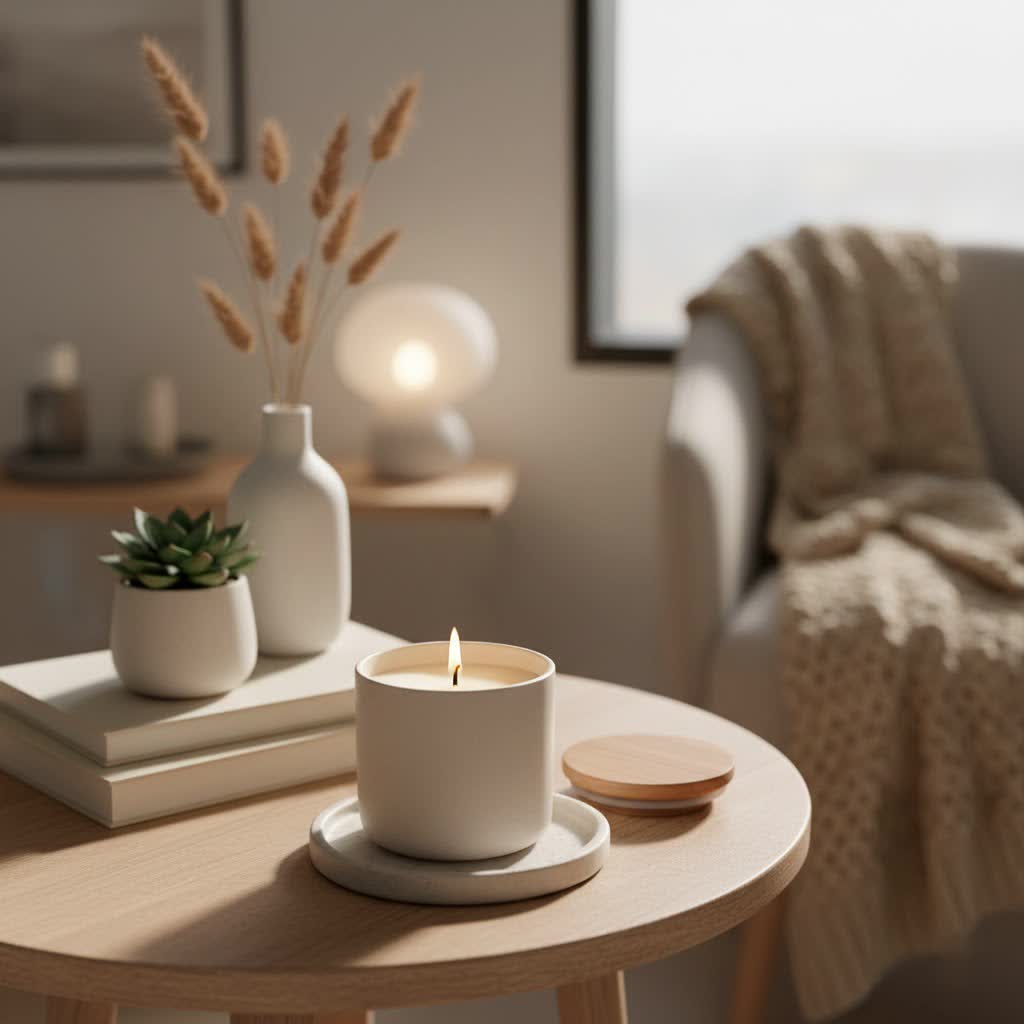
Stepping into a home filled with a captivating aroma instantly transforms your mood, doesn’t it? That subtle whisper of vanilla, the invigorating zest of citrus, or the calming embrace of lavender – it’s all thanks to the humble yet powerful scented candle. More than just a source of light, these fragrant wonders craft atmospheres, evoke memories, and offer a simple luxury that enhances everyday living. If you’ve ever felt overwhelmed by the sheer variety or wondered how to choose the perfect one for your space, you’re in the right place. This comprehensive guide will illuminate everything you need to know about scented candles, helping you find your ideal match for warmth, relaxation, and style.
What is a Scented Candle?
A scented candle is essentially a decorative candle infused with aromatic essential oils or fragrance oils, designed to release a pleasant aroma when burned. While candles have been around for millennia, primarily for illumination, the concept of adding fragrance for ambiance and therapeutic benefits gained significant popularity over the centuries.
The primary components of a scented candle include:
- Wax: The fuel source that holds the fragrance. Common types include soy, paraffin, beeswax, and coconut wax.
- Fragrance Oil/Essential Oil: The aromatic compounds responsible for the candle’s scent. These are blended into the wax.
- Wick: The pathway that draws molten wax up to the flame for combustion, sustaining the burn.
- Container: Often glass, ceramic, or metal, providing structural integrity and contributing to the aesthetic.
Scented candles have evolved from simple functional items into sophisticated elements of home decor and personal wellness routines, offering a vast array of scents and designs to suit every preference.
The Wonderful Benefits of Scented Candles
Scented candles offer far more than just a pleasant smell; they provide a multi-sensory experience that can significantly enhance your well-being and home environment. Here are some of the fantastic benefits:
- Reduces Stress and Anxiety: Many scents, such as lavender, chamomile, and sandalwood, possess calming properties that can lower cortisol levels, promote relaxation, and ease a busy mind. Lighting a calming scented candle can create a serene sanctuary after a long day.
- Improves Sleep Quality: Specific fragrances, particularly lavender and sandalwood, can signal the brain to unwind, preparing your body for a more restful night. Burning a candle an hour before bed can contribute to deeper, more restorative sleep.
- Creates a Cozy and Inviting Atmosphere: The soft, flickering glow combined with a carefully chosen fragrance instantly makes any room feel warmer, more welcoming, and intimate. It’s perfect for setting a relaxed mood for social gatherings or quiet evenings alone.
- Enhances Focus and Creativity: Certain aromas, like peppermint, rosemary, and eucalyptus, are known to stimulate the brain, increasing alertness and concentration. These can be excellent companions for study sessions or creative work.
- Odor Neutralization and Air Freshness: Scented candles can effectively mask and neutralize unwanted odors, from cooking smells to pet odors, leaving your home smelling fresh and inviting without relying on harsh chemical sprays.
- Boosts Mood and Emotional Well-being: Citrus scents such as orange, bergamot, and lemon have uplifting properties that can naturally boost serotonin and dopamine levels, clearing mental fog and fostering a feel-good vibe.
- Adds a Decorative Touch: Beyond their aroma, scented candles come in a myriad of beautiful containers, colors, and designs, serving as stylish decorative elements that enhance your home’s aesthetic and reflect your personal style.
How to Choose the Perfect Scented Candle
Selecting the ideal scented candle can be an enjoyable journey. Consider these factors to find the perfect match for your home and preferences.
Choose by Scent Category
|
Our Picks for the Best Scented Candle in 2026
As an Amazon Associate I earn from qualifying purchases.
|
||
| Num | Product | Action |
|---|---|---|
| 1 | Aronica High End Hostess Gifts for Woman, Bamboo Jasmine Candle, Soy Candles for Home Scented, Non Toxic New Home Candle, Natural Summer Candles |

|
| 2 | Foton Pearled Candle 18 Oz - Misty Monte Sandalwood Jasmine Scented Non Toxic Luxury Long Lasting Powder Candles up to 120 Hours - Refillable Candle Sand with 30 Wicks for Candle Making |
|
| 3 | Glade 1-Wick Scented Candle Jar, Dewdrop Petals, Air Freshener Infused with Essential Oils, 4.08 Oz, 2 Count |
|
| 4 | Smoke & Vanilla Candles, Smoke Vanilla Scented Candle, Natural Soy Candles for Home Scented, Long Lasting with 50 Hour Burn Time, Gifts for Men Women |
|
| 5 | Coleman Pine Scent Citronella Candle with Wooden Crackle Wick - 6 oz |
|
| 6 | Sand + Fog Scented Candle - Vanilla Sandalwood-Additional Scents and Sizes–100% Cotton Lead-Free Wick - Luxury Air Freshening Jar Candles - Perfect Home Décor for Your Cocktail Table–34oz |
|
| 7 | WoodWick Lavender & Cedar Holiday Candle Gifts for Women and Men, 9.7 oz Medium Hourglass Candle with Crackling Wick |
|
| 8 | 14.5 oz Mulberry Candle with 3 Wick Glass Jar Mulberry Scented Votive Candles Essential Fragrance Oils Highly Fragranced, 90 Hour Burn Time, Clean Burning for Christmas Holiday Collection |
|
| 9 | Yankee Candle Cherries On Snow Scented, Classic 22oz Large Jar Single Wick Candle, Over 110 Hours of Burn Time |
|
| 10 | White Barn-Bath & Body Works- Coffee and Whiskey Candle 3 Wick EDT 14.5 OZ Burns 25-45 Hours |
|
Fragrances play a crucial role in setting a mood. Understanding scent families can help guide your choice:
- Floral: Notes like rose, jasmine, gardenia, and lilac create romantic and soothing atmospheres.
- Fruity: Think apple, berry, peach, and citrus for uplifting, refreshing, and energizing vibes.
- Woody: Scents such as sandalwood, cedarwood, pine, and vetiver offer grounding, warm, and sophisticated feelings.
- Spicy/Gourmand: Cinnamon, vanilla, clove, pumpkin spice, and coffee evoke cozy comfort and inviting warmth.
- Fresh/Clean: Cotton, linen, sea salt, eucalyptus, and mint bring a sense of purity, clarity, and invigoration.
Match Scents to Your Space
Different rooms benefit from different fragrance profiles:
- Living Room: For a social and unwinding space, choose warm, inviting scents like vanilla, amber, or sandalwood.
- Bedroom: To promote rest and relaxation, opt for calming fragrances such as lavender, chamomile, or rose.
- Bathroom: Create a spa-like, clean feel with refreshing scents like eucalyptus, mint, or lemon.
- Kitchen: Light, fresh, or gourmand scents like lemongrass, basil, cinnamon, or vanilla bean can neutralize cooking odors or complement food aromas.
Consider Seasonal Scents
Just like your wardrobe, your home’s scent can evolve with the seasons:
- Spring/Summer: Embrace light, fresh, and fruity scents like coconut, grapefruit, lilac, or sea salt.
- Autumn/Winter: Lean into warmth and coziness with pumpkin spice, cinnamon, clove, or pine.
Choose by Wax Type
The type of wax affects burn quality, scent throw, and environmental impact:
- Soy Wax: Made from soybeans, it’s a natural, renewable, and biodegradable option. Soy candles burn slower and cleaner than paraffin, producing less soot and offering a longer burn time. They are eco-friendly and generally non-toxic.
- Paraffin Wax: The most common and affordable wax, derived from petroleum. It offers excellent scent throw and can hold vibrant colors. However, it can release soot when burned, raising environmental and air quality concerns.
- Beeswax: A natural byproduct of honey production, beeswax burns very slowly and cleanly, emitting a subtle, natural honey scent and negative ions believed to purify the air. It’s often more expensive.
- Coconut Wax: An eco-friendly, vegan, and sustainable choice, coconut wax provides a very clean, slow, and even burn. It’s odorless and carries scent exceptionally well, often blended with soy wax for optimal performance.
- Palm Wax: Known for unique crystalline patterns, palm wax burns cleanly and has good scent throw. It is a firmer wax, suitable for free-standing candles.
- Rapeseed Wax: A sustainable, vegan-friendly option, rapeseed wax burns cleanly and retains fragrances well, ideal for scented candles.
- Gel Wax: A transparent blend of resin and mineral oil, best for decorative container candles where objects are embedded. It burns slowly but can release soot.
- Blended Waxes: Many high-quality candles use blends (e.g., coconut-soy) to combine the best properties of different waxes, achieving a balance of clean burn, scent throw, and longevity.
Choose by Size and Burn Time
Consider the room size and how frequently you’ll burn the candle:
- Room Size: Smaller rooms benefit from smaller candles with lighter scents. Larger spaces can accommodate larger candles or multiple candles to achieve the desired fragrance throw.
- Burn Time: Soy and beeswax candles generally have longer burn times. If you plan frequent use, opt for larger candles or those made with slower-burning waxes to reduce replacements. A typical 12oz candle can offer around 70 hours of burn time when used correctly.
Choose by Brand and Quality
Prioritize quality ingredients for a safer and more enjoyable experience. Look for brands that clearly state their ingredients, opting for non-toxic candles that are phthalate-free and paraffin-free to ensure better air quality for you, your family, and pets. Reputable brands often use natural waxes and high-quality fragrance oils.
Comparing Popular Scented Candle Types
Here’s a quick comparison of common wax types for scented candles:
| Wax Type | Scent Throw | Burn Time | Price (General) | Environmental Impact | Best Use |
|---|---|---|---|---|---|
| Soy Wax | Good | Long | Medium | Renewable, biodegradable, cleaner burn, less soot. | Container candles, eco-conscious buyers. |
| Paraffin Wax | Excellent | Moderate | Low | Petroleum-derived, may release soot. | Highly scented candles, various candle types. |
| Beeswax | Subtle | Very Long | High | Natural, purifies air, minimal soot. | Natural, subtle scent, long-lasting burn. |
| Coconut Wax | Excellent | Long | Medium-High | Eco-friendly, vegan, very clean burn, often blended. | Luxury container candles, strong fragrance. |
| Palm Wax | Good | Moderate | Medium | Sustainable (if ethically sourced), unique appearance. | Decorative pillar candles, good scent retention. |
| Rapeseed Wax | Good | Long | Medium-High | Sustainable, vegan, clean burn. | Eco-friendly container candles. |
| Gel Wax | Moderate | Very Long | Medium | Petroleum-derived, can release soot. | Decorative, transparent container candles. |
| Blended Waxes | Varies | Varies | Varies | Varies based on blend, often aims for balance. | Custom performance (e.g., soy-coconut for best of both). |
Safe Usage of Scented Candles
While delightful, scented candles involve an open flame and require careful handling to prevent accidents.
How to Burn a Candle Safely
- Trim the Wick: Before each burn, trim the wick to about ¼ inch (0.6 cm). This prevents excessive soot, ensures a cleaner, even burn, and reduces the risk of the flame becoming too large.
- Stable, Heat-Resistant Surface: Always place your candle on a flat, stable, heat-resistant surface, away from anything flammable like curtains, furniture, or bedding.
- Avoid Drafts: Keep candles away from open windows, fans, air vents, or high-traffic areas. Drafts can cause uneven burning, excessive flickering, and increase the risk of fire.
- Never Leave Unattended: This is the golden rule. Always extinguish candles before leaving a room or going to sleep.
- Burn in Intervals: To prevent overheating the container and maximize candle life, burn candles for 2-4 hours at a time, allowing the wax to melt evenly across the entire surface.
- Extinguish Properly: Use a candle snuffer to extinguish the flame. This reduces smoke and prevents hot wax from splattering. Avoid blowing out candles, which can damage the wick or spill wax.
- Monitor Wax Level: Stop using a candle when about ¼ to ½ inch (0.6 to 1 cm) of wax remains at the bottom of the container. This prevents the container from overheating, cracking, or shattering.
- Keep Wax Pool Clear: Remove any wick trimmings, matches, or debris from the wax pool to prevent flare-ups.
- Keep Away from Children and Pets: Ensure lit candles are out of reach of curious hands and paws.
How to Store Scented Candles
Store your candles in a cool, dark place, ideally with their lids on, to prevent dust accumulation and preserve their fragrance. Keeping them away from direct sunlight and extreme temperatures will prevent discoloration and melting.
Where to Buy Scented Candles?
Scented candles are widely available, from local artisan shops to large online retailers. You can find them in home decor stores, department stores, and dedicated candle boutiques.
- Online Stores: Offer a vast selection and convenience, often with detailed descriptions and customer reviews.
- Physical Stores: Allow you to smell the candles before purchasing, which is invaluable for personal preference.
When purchasing, always check the product description for ingredients (wax type, fragrance type), burn time, and safety instructions. Reading customer reviews can also provide insights into scent throw and overall quality.
Buying Guide for Scented Candles
Navigating the world of scented candles can be exciting. Here’s a concise buying guide to help you make informed decisions:
- Define Your Purpose: Are you looking for relaxation, energy, odor elimination, or simply aesthetic enhancement? This will guide your scent and wax choices.
- Consider the Environment: Think about the room size, ventilation, and who will be in the space (e.g., pets, children, those with sensitivities).
- Explore Fragrance Families: Identify scents you naturally gravitate towards (floral, woody, citrus, etc.) and match them to the desired mood for each room.
- Prioritize Quality Ingredients: Opt for natural waxes like soy or coconut, and ensure fragrance oils are phthalate-free and non-toxic for a cleaner burn and healthier air quality.
- Check Burn Time and Size: Match the candle’s size and expected burn duration to your usage habits and room dimensions.
- Read Reviews: Customer feedback can offer practical insights into a candle’s actual performance, including its scent throw and longevity.
- Don’t Forget Safety: Ensure the brand provides clear safety instructions and commit to following them.
Conclusion
Scented candles are truly remarkable, offering a blend of aromatherapy, aesthetic appeal, and emotional comfort that can profoundly transform your home environment. From reducing stress and improving sleep to enhancing focus and creating a warm, inviting atmosphere, the right scented candle can elevate your daily life. By understanding the different wax types, fragrance profiles, and essential safety practices, you can confidently choose and enjoy these fragrant treasures, turning every flicker into a moment of pure bliss. So, what scent will you choose to illuminate your world today?
Frequently Asked Questions
What is a scented candle used for?
Scented candles are primarily used to add fragrance and ambiance to a space, enhancing mood, promoting relaxation, neutralizing odors, and serving as a decorative element. They combine soft lighting with aromatic notes to create a more immersive and pleasant environment.
Are scented candles good for you?
When made with high-quality, non-toxic ingredients such as natural waxes (soy, beeswax, coconut) and phthalate-free fragrance oils, scented candles can offer significant benefits for mental clarity, mood, and home atmosphere. They contribute to well-being by reducing stress, improving sleep, and creating a calming environment.
How long do scented candles last?
The lifespan of a scented candle depends on its size, wax type, and proper care. Generally, they burn for 20 to 80 hours. Natural waxes like soy and beeswax tend to burn slower and cleaner than paraffin, often offering longer burn times when wicks are trimmed and candles are burned in recommended intervals.
Can scented candles help with sleep?
Yes, certain scented candles can significantly aid in improving sleep quality. Fragrances like lavender, chamomile, and sandalwood are known for their calming and sedative properties, which can help promote relaxation, reduce anxiety, and signal the brain to unwind, creating a peaceful bedtime atmosphere.
Do scented candles cause indoor air pollution?
Candles made with paraffin wax and artificial fragrances can release harmful compounds, including soot and certain chemicals, potentially contributing to indoor air pollution. However, opting for candles made from natural waxes (soy, beeswax, coconut) and high-quality, non-toxic fragrance oils or essential oils can significantly reduce these concerns, offering a cleaner and safer burning experience.
What is the difference between scented and regular candles?
The primary difference is their purpose: regular candles are mainly for illumination, while scented candles are designed to release fragrance as they burn, offering an aromatherapy or ambiance-enhancing experience. Scented candles often use specific wax blends and fragrance oils not found in basic unscented candles, and they also serve decorative and therapeutic functions.
Get our weekly buyer guide
Practical specs, not advice. Unsubscribe anytime.
