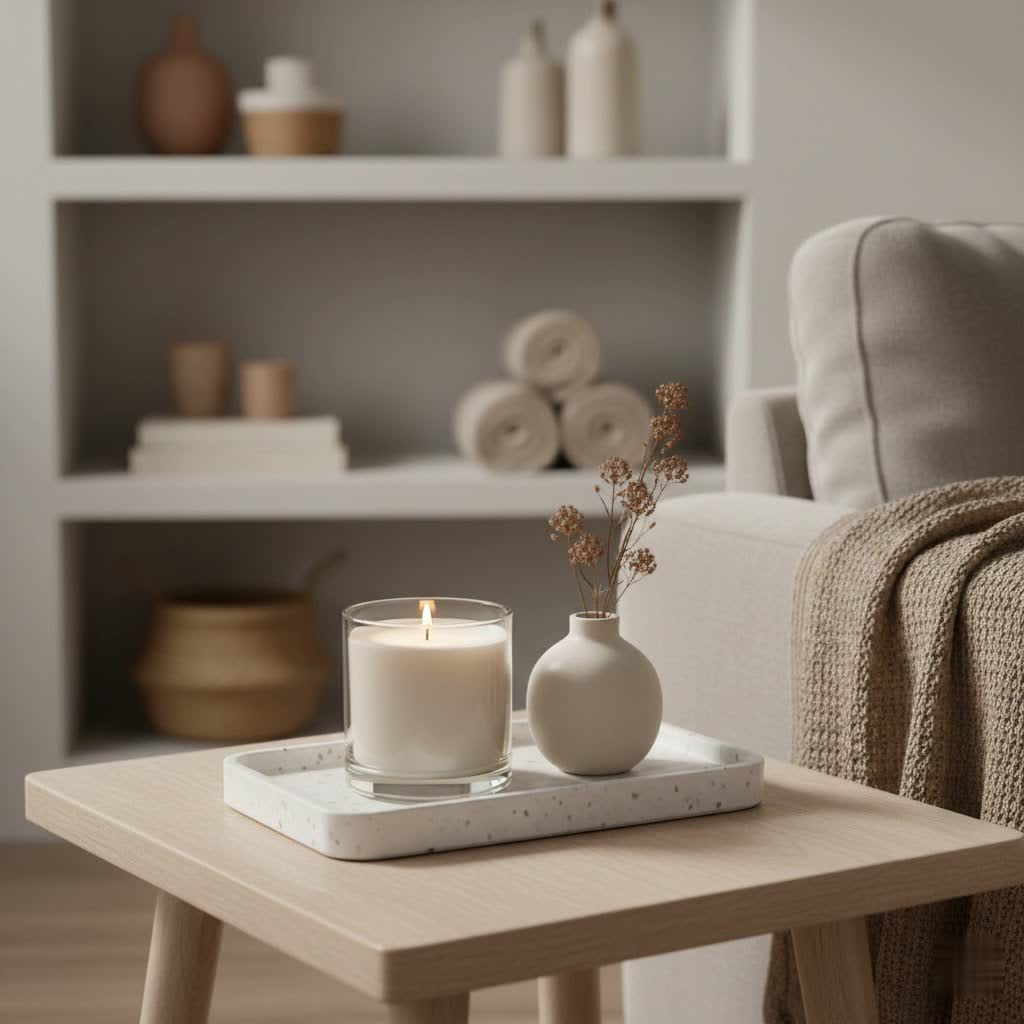
Have you ever walked into a room and been instantly transported by a captivating aroma? That’s the magic of scented candles, small vessels holding the power to transform your environment, soothe your soul, or evoke cherished memories. With over a decade of experience navigating the vast world of fragrant waxes, from everyday blends to luxurious artisan creations, I’ve come to appreciate the profound impact a well-chosen scented candle can have on a home and its inhabitants. This guide is crafted to help you uncover the perfect flicker and fragrance to bring warmth, relaxation, and a touch of unique charm to your living space.
What Are Scented Candles?
Scented candles are much more than simple light sources; they are crafted aromatic experiences. At their core, a scented candle consists of a wax base, a wick, and fragrance oils. The wax serves as the fuel, slowly melting to release the embedded scent when the wick is lit. Over centuries, candles have evolved from purely functional lighting to sophisticated decorative and therapeutic items, with scent playing a pivotal role in their appeal. For explore our scented candles reviews on this site.
The primary components of a scented candle are:
- Wax: The main body of the candle. Common types include soy, paraffin, beeswax, and palm wax.
- Fragrance Oils: These are carefully blended aromatic compounds, either natural essential oils or synthetic fragrance blends, that provide the candle’s scent.
- Wick: Typically made of braided cotton, the wick draws molten wax upwards to be vaporized and burned, releasing light and fragrance.
Scented candles can be categorized by their wax type:
- Soy Wax: A natural, biodegradable wax derived from soybeans. It burns cleaner and longer than paraffin, with excellent fragrance retention.
- Paraffin Wax: A petroleum byproduct, paraffin is widely used due to its affordability and ability to hold vibrant colors and strong scents.
- Beeswax: A natural wax produced by bees, known for its natural honey scent, long burn time, and air-purifying properties. Many decorative candles, including charming turkey-shaped ones, are crafted from beeswax.
- Palm Wax: Derived from palm oil, this wax offers unique crystalline patterns and a hard texture, also burning cleanly.
Wonderful Benefits of Scented Candles
Beyond their aesthetic appeal, scented candles offer a spectrum of benefits that contribute to well-being and home ambiance. They are powerful tools for mood enhancement and creating a desired atmosphere.
- Stress and Anxiety Reduction: Certain scents, like lavender, chamomile, or sandalwood, are renowned for their calming properties, helping to melt away daily stresses and promote tranquility.
- Improved Sleep: Lighting a candle with a relaxing aroma before bedtime can signal to your mind that it’s time to unwind, fostering a peaceful environment conducive to sleep.
- Creating a Relaxing and Cozy Atmosphere: The gentle glow and inviting fragrance of a candle instantly make any room feel warmer and more welcoming, perfect for unwinding after a long day or hosting intimate gatherings.
- Enhanced Focus and Creativity: Uplifting scents such as peppermint, lemon, or eucalyptus can stimulate the mind, boosting concentration and encouraging creative thought.
- Odor Neutralization and Air Freshening: Candles designed with specific odor-eliminating properties can effectively neutralize unwanted smells, leaving behind a fresh and pleasant aroma.
How to Choose the Perfect Scented Candle
Selecting the right scented candle is a personal journey, depending on your preferences, the space, and the mood you wish to create. Here’s a comprehensive guide to help you make an informed choice.
Choosing by Scent
|
Our Picks for the Best Scented Candle in 2026
As an Amazon Associate I earn from qualifying purchases.
|
||
| Num | Product | Action |
|---|---|---|
| 1 | Aronica High End Hostess Gifts for Woman, Bamboo Jasmine Candle, Soy Candles for Home Scented, Non Toxic New Home Candle, Natural Summer Candles |

|
| 2 | Foton Pearled Candle 18 Oz - Misty Monte Sandalwood Jasmine Scented Non Toxic Luxury Long Lasting Powder Candles up to 120 Hours - Refillable Candle Sand with 30 Wicks for Candle Making |
|
| 3 | White Barn-Bath & Body Works- Coffee and Whiskey Candle 3 Wick EDT 14.5 OZ Burns 25-45 Hours |
|
| 4 | Sand + Fog Scented Candle - Vanilla Sandalwood-Additional Scents and Sizes–100% Cotton Lead-Free Wick - Luxury Air Freshening Jar Candles - Perfect Home Décor for Your Cocktail Table–34oz |
|
| 5 | Coleman Pine Scent Citronella Candle with Wooden Crackle Wick - 6 oz |
|
| 6 | Glade 1-Wick Scented Candle Jar, Dewdrop Petals, Air Freshener Infused with Essential Oils, 4.08 Oz, 2 Count |
|
| 7 | Yankee Candle Cherries On Snow Scented, Classic 22oz Large Jar Single Wick Candle, Over 110 Hours of Burn Time |
|
| 8 | WoodWick Lavender & Cedar Holiday Candle Gifts for Women and Men, 9.7 oz Medium Hourglass Candle with Crackling Wick |
|
| 9 | 14.5 oz Mulberry Candle with 3 Wick Glass Jar Mulberry Scented Votive Candles Essential Fragrance Oils Highly Fragranced, 90 Hour Burn Time, Clean Burning for Christmas Holiday Collection |
|
| 10 | Smoke & Vanilla Candles, Smoke Vanilla Scented Candle, Natural Soy Candles for Home Scented, Long Lasting with 50 Hour Burn Time, Gifts for Men Women |
|
Fragrances are highly subjective, but understanding common scent families can guide you.
-
Popular Scent Categories:
- Floral: Rose, jasmine, lily, gardenia – often romantic and elegant.
- Fruity: Citrus, berry, apple, peach – typically uplifting and refreshing.
- Woody: Sandalwood, cedarwood, pine, oud – grounding, earthy, and warm.
- Spicy: Cinnamon, clove, ginger, vanilla – cozy, inviting, and often associated with holidays.
- Fresh/Clean: Linen, ocean breeze, cotton blossom – light and airy, perfect for invigorating spaces.
- Gourmand/Unique: These scents mimic food and drink. While often associated with sweet treats like vanilla or pumpkin pie, this category also includes more unusual and delightful options like “turkey dinner” or “stuffing” scented candles. These novelty candles, often featuring notes of savory herbs like sage and rosemary, blended with hints of toasted bread and butter, are specially crafted to evoke the comforting aromas of a holiday feast, making them a unique addition to Thanksgiving celebrations.
-
Scents for Different Spaces:
- Bedroom: Lavender, chamomile, vanilla for relaxation and sleep.
- Living Room: Warm and inviting scents like amber, sandalwood, or seasonal blends like pumpkin spice or even a unique turkey dinner scent for holiday gatherings.
- Bathroom: Fresh scents like lemon, eucalyptus, or ocean breeze for a clean feel.
- Kitchen: Citrus, mint, or coffee scents to neutralize cooking odors and refresh the air.
-
Seasonal Scents:
- Spring: Floral, fresh, light citrus.
- Summer: Tropical fruit, ocean, vibrant citrus.
- Autumn: Pumpkin spice, apple cinnamon, woodsy notes, and the distinctive savory essence of turkey dinner or stuffing for Thanksgiving.
- Winter: Pine, frankincense, peppermint, and cozy spice blends.
Choosing by Wax Type
The type of wax impacts burn quality, scent throw, and environmental footprint.
- Soy Wax: Pros: Clean-burning, long-lasting, environmentally friendly, good scent throw. Cons: Can be softer, sometimes more expensive. Safe for health and environment.
- Paraffin Wax: Pros: Strong scent throw, affordable, versatile for colors. Cons: Petroleum byproduct, can produce more soot, shorter burn time.
- Beeswax: Pros: Natural, non-toxic, long burn time, natural honey aroma, purifies air. Often used for decorative, sculpted candles, including turkey shapes for holiday decor. Cons: Can be more expensive, natural scent might overpower added fragrances.
- Palm Wax: Pros: Hard, long-lasting, unique crystalline appearance. Cons: Environmental concerns regarding palm oil harvesting.
Choosing by Size and Burn Time
Match the candle size to your room and desired usage.
- Smaller candles (votives, tealights) are ideal for small spaces or short burning periods.
- Larger jar candles or multi-wick candles are perfect for bigger rooms and extended burn times, ensuring the scent can fill the space adequately.
- Burn times vary greatly by wax type and size, ranging from a few hours for tealights to over 100 hours for large jar candles.
Choosing by Brand
Reputable brands often guarantee quality ingredients and consistent performance.
- Popular Brands: Yankee Candle (known for a wide variety of scents, including past “Turkey & Stuffing” holiday collections), Bath & Body Works, Jo Malone, Diptyque, Slatkin + Co. (HomeWorx, noted for specific “Homestyle Stuffing” scents), and many artisan brands found on platforms like Etsy. Always check reviews for scent accuracy and burn quality.
Comparing Popular Scented Candle Types
Here’s a comparison of common candle attributes to help you decide:
| Feature | Soy Wax Candles | Paraffin Wax Candles | Beeswax Candles | Novelty/Gourmand Candles (e.g., Turkey Scented) |
|---|---|---|---|---|
| Wax Type | Soy | Paraffin | Beeswax | Often soy or paraffin blend |
| Typical Scent | Wide range, true-to-scent | Wide range, strong scent throw | Natural honey scent, can be infused with others | Very specific, e.g., “stuffing,” “pumpkin pie” |
| Burn Time | Longer, cleaner burn | Shorter, can be sooty | Very long, clean burn | Varies by wax, can be long for quality blends |
| Cost | Moderate to High | Low to Moderate | High | Moderate to High (due to specialized fragrance) |
| Brands | Many independent artisans, some larger brands | Most mainstream brands | Specialty natural candle makers | HomeWorx, Yankee Candle (holiday collections), Etsy |
| Pros | Eco-friendly, biodegradable, good scent throw | Affordable, great for vibrant colors | All-natural, air purifying, long-lasting | Unique, conversation starter, creates specific mood |
| Cons | Softer wax, can be pricier | Petroleum byproduct, more soot | Natural scent can be strong, costly | Niche appeal, not for everyday use, potentially strong |
“The right scent can truly transform a house into a home, offering an invisible comfort that speaks volumes.” – Admin of ReviewIR.com, Scented Candle Expert
How to Use Scented Candles Safely
Enjoying your scented candles responsibly ensures safety and longevity.
-
Proper Burning Technique:
- First Burn: Always allow the candle to burn until the entire surface of the wax has melted to the edge of the container. This prevents tunneling and ensures an even burn for future uses.
- Trim the Wick: Before each subsequent burn, trim the wick to about ¼ inch. This prevents excessive smoking, soot buildup, and ensures a cleaner, longer-lasting burn.
- Burn Time: Do not burn a candle for more than 3-4 hours at a time. This prevents the container from overheating and can help preserve the fragrance.
- Extinguish Safely: Use a snuffer to extinguish the flame gently, preventing smoke and wax splatter.
-
Storage and Care:
- Store candles in a cool, dark place, away from direct sunlight or extreme temperatures, which can cause discoloration or melting.
- Keep candles free of dust and debris, especially in the wax pool, to ensure a clean burn.
-
Important Safety Notes:
- Never leave a burning candle unattended.
- Keep candles away from drafts, flammable materials, children, and pets.
- Place candles on a stable, heat-resistant surface.
- Discontinue use when only ½ inch of wax remains to prevent the container from cracking or overheating.
Where to Buy Scented Candles?
Finding the perfect scented candle is easier than ever with numerous options available.
-
Reputable Retailers:
- Specialty Candle Stores: Shops dedicated to candles often offer a curated selection of high-quality products.
- Department Stores: Many department stores carry luxury and designer candle brands.
- Home Goods Stores: Retailers like TJ Maxx, HomeGoods, and Marshalls often have a wide variety of scented candles at competitive prices.
- Online Marketplaces: Etsy is an excellent source for unique, handmade, and artisanal candles, including novelty items like turkey-shaped candles or specific holiday scents.
- Brand Websites: Direct-to-consumer websites for brands like Yankee Candle, Bath & Body Works, and HomeWorx offer their full collections and often exclusive scents.
- Supermarkets and Mass Retailers: Stores like Walmart often stock a basic range of scented candles, including some seasonal options.
-
Checking Quality Before Purchase:
- Read Reviews: Online reviews can provide insights into a candle’s scent throw, burn time, and overall quality.
- Ingredient List: Look for candles made with high-quality waxes (like soy or beeswax) and natural fragrance oils if you prioritize clean burning and natural ingredients.
- Wick Type: Wood wicks offer a crackling sound, while cotton wicks are standard. Ensure the wick is centered and properly sized for the candle.
Buying Guide: Finding Your Ideal Scented Candle
Navigating the world of scented candles can be delightful with a clear approach.
- Define Your Needs and Preferences: What kind of mood do you want to create? Do you prefer calming, energizing, festive, or unique scents like a turkey dinner aroma for the holidays? Consider your favorite scent families and the atmosphere you wish to cultivate.
- Research Different Types: Understand the differences between wax types (soy, paraffin, beeswax) and their impact on burn time, scent throw, and environmental factors. For novelty options, investigate specific blends and their scent profiles.
- Read Reviews and Compare Products: Before committing, especially to a new brand or an unusual scent like a Thanksgiving turkey candle, consult reviews. Compare burn times, scent strength, and overall customer satisfaction.
- Purchase from Reputable Sources: Opt for established brands or highly-rated independent artisans to ensure quality and safety. Be wary of overly cheap candles that might use inferior ingredients.
- Prioritize Safety and Health: Look for candles with lead-free wicks and, if preferred, those made with natural waxes and essential oils. Always adhere to burning instructions.
Conclusion
Scented candles offer a simple yet profound way to enhance your living space, influence your mood, and create memorable experiences. From the calming embrace of lavender to the festive aroma of a unique turkey dinner candle designed for holiday cheer, there’s a fragrance for every moment and every home. By understanding the types of waxes, scents, and best practices for use, you can confidently choose candles that not only smell divine but also contribute to a healthier, more inviting environment. So, what scent will you light up next to transform your space?
Frequently Asked Questions
What does a “turkey scented candle” actually smell like?
A “turkey scented candle” typically aims to capture the savory and herbaceous aromas associated with a Thanksgiving dinner, rather than the smell of cooked meat. Key scent notes often include sage, rosemary, thyme, toasted bread, and sometimes hints of butter or other spices that evoke stuffing and a festive meal. Some may even have subtle undertones of sweet potato pie or cranberry for a broader holiday profile.
Are turkey-shaped candles the same as turkey-scented ones?
No, not necessarily. Many “turkey candles” are primarily decorative, shaped like a turkey for Thanksgiving or fall decor. These can be made from beeswax (often carrying a natural honey scent) or paraffin and might be unscented or feature traditional autumn fragrances like pumpkin spice, cranberry, or honey grapefruit, rather than a “turkey dinner” scent. Always check the product description for specific scent details.
When are turkey-scented candles most popular?
Turkey-scented candles, especially those with savory “stuffing” or “Thanksgiving dinner” aromas, are most popular during the autumn months, particularly leading up to and during the Thanksgiving holiday season. They are often purchased as novelty items, hostess gifts, or to create a festive and unique ambiance for holiday gatherings.
Get our weekly buyer guide
Practical specs, not advice. Unsubscribe anytime.
